
Crawl space waterproofing in Charlotte, NC
Waterproofing deals with liquid water getting in. Encapsulation deals with vapor and humidity. They solve different problems, they are frequently sold together, and knowing which one you actually need is most of the decision.
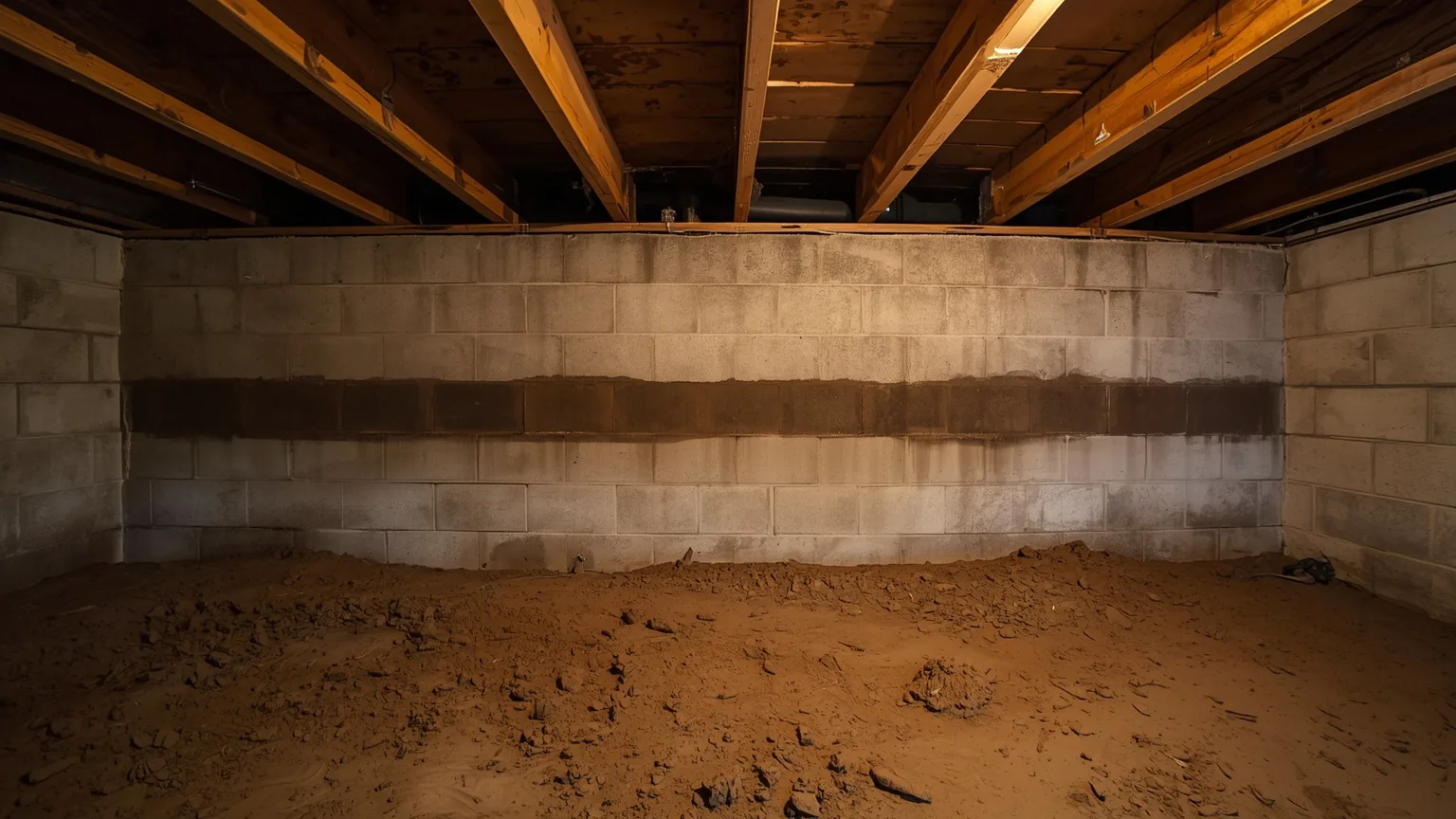
Who handles crawl space waterproofing in Charlotte, NC?
Charlotte Crawl Space Contractor arranges crawl space waterproofing across Charlotte and the surrounding counties — surface water correction, interior drainage, sump systems and drains to daylight, scoped after an evaluation identifies where the water is entering. Call (704) 419-8494 to arrange an evaluation.
Waterproofing and encapsulation are not the same thing
This distinction causes more confusion in this trade than any other, and it has real money attached to it.
Waterproofing addresses liquid water — water that runs, pools or seeps in. Encapsulation addresses water vapor and the humidity of the air inside the space. A crawl space can have a serious humidity problem with no liquid water anywhere in it, and a crawl space can flood every spring while its air stays relatively dry between events.
If your crawl space holds standing water, waterproofing comes first and it is not optional. A liner installed over a space that still takes on water does not stop the water. It covers it.
Where the water is actually coming from
There are fewer sources than homeowners expect, and the cheapest ones are the most common.
- Surface water. Gutters overflowing, downspouts discharging at the foundation, and grade that slopes toward the house rather than away. This is the first thing a competent evaluation checks, because it is frequently the whole answer and the least expensive to correct.
- Groundwater. Water moving through the soil and entering at or below the footing. In the Piedmont this behaves less predictably than people expect, because water moves through weathered saprolite and fracture networks rather than uniformly.
- Plumbing. A leaking supply line, a broken waste line, or an HVAC condensate line dumping under the floor. Worth ruling out early because it produces a persistent wet area with no relationship to rainfall.
- Condensation. Not liquid intrusion at all, but it produces standing water on surfaces and can look identical at first glance. This one is solved by humidity control, not by drainage.
Why the Piedmont makes surface water the usual suspect
Charlotte's soils are clay-rich Piedmont saprolite, and the USGS puts Piedmont infiltration rates at roughly 6 to 15 centimeters per hour — low compared with sandier soils. A heavy summer storm delivers water faster than that.
Water that cannot infiltrate travels across the surface instead. If the ground within the first few feet of the foundation falls toward the house, or a downspout empties there, that water is being routed to the crawl space by the site rather than by any failure of the foundation. Correcting it is landscaping and guttering work, not waterproofing, and it is dramatically cheaper than the alternative.
This is why a proposal for interior drainage that has not looked at the gutters and grade first deserves a question.
What the code requires, and what it implies
North Carolina Residential Code R409.2.1 requires that the crawl space floor be graded to drain to one or more low spots, with a drain to daylight or a sump pump installed at each low spot. It also requires crawl space drains to be kept separate from roof gutter drain systems and foundation perimeter drains.
That separation requirement is not arbitrary. Tying a crawl space drain into a gutter system means a heavy rain can pressurise the line and push water back toward the crawl space, which is the opposite of the intent. It is a detail worth confirming appears in a written scope.
Drainage, sumps and drains to daylight
Where interior drainage is genuinely needed, the principle is straightforward: give the water a defined low point to collect at, and a route out that does not depend on the weather.
A drain to daylight uses gravity and is the more robust option where the site allows it, because it has nothing to fail. Where the grade does not permit that, a sump pump does the same job mechanically — which means it has a service life, a power requirement and a failure mode, and that is worth planning for rather than discovering.
Where the water goes when the ground will not take it
Piedmont soils carry less sand and more clay than the Coastal Plain soils east of here, and the USGS puts their infiltration rate at roughly 6 to 15 centimeters per hour. Rain arriving faster than that does not soak in — it runs across the surface and follows the grade.
That is why the first things a competent evaluation looks at are gutters, downspout discharge and the fall of the ground around the house, not the crawl space itself. A large share of standing water under Charlotte houses is roof water that was put there by the drainage above ground.
Crawl Space Waterproofing questions
What is the difference between crawl space waterproofing and encapsulation?
Waterproofing keeps liquid water out — drainage, sump systems, correcting surface water. Encapsulation seals the space against ground vapor and outside air and then manages the humidity inside it. A wet crawl space needs waterproofing first. A humid but dry crawl space may need only encapsulation. Many Charlotte crawl spaces genuinely need both, in that order.
Does every wet crawl space need interior drainage?
No, and this is worth pushing on. A meaningful share of crawl space water problems here are surface water arriving from gutters, downspouts and grade that slopes toward the house. Those are corrected outside, at a fraction of the cost. Interior drainage is the right answer when water is entering at or below the footing after the surface causes have been ruled out or fixed.
Can I waterproof a crawl space from the outside?
Exterior work — excavating to the footing, treating the wall and installing exterior drainage — is possible and sometimes appropriate, but it is significantly more disruptive and expensive than interior drainage, and access around a house is often restricted. Most crawl space water is managed from the inside plus surface correction outside. Exterior excavation is a specific answer to a specific diagnosis, not a default.
How long does crawl space waterproofing last?
A drain to daylight has no moving parts and can last as long as it stays clear, which is why it is preferred where the site allows gravity discharge. A sump pump is a mechanical device with a finite service life and will eventually need replacing. Ask what the expected service interval is and what happens on power loss, because those two answers describe your real exposure.
Why is my crawl space wet only in summer?
That pattern points at condensation rather than intrusion. Humid summer air entering through the vents meets ductwork, pipes and subfloor sitting below its dew point, and the moisture condenses onto those surfaces. It produces genuine water without any leak. The fix is sealing and humidity control, not drainage — which is exactly why the diagnosis matters before the quote.
Will a sump pump alone fix my crawl space?
Only if collecting and ejecting water is genuinely the whole problem. A sump handles water that has already arrived. It does nothing about why it arrives, about ground vapor, or about humid air condensing on cool surfaces. It is one component of a system and rarely a complete answer on its own.
Related crawl space services
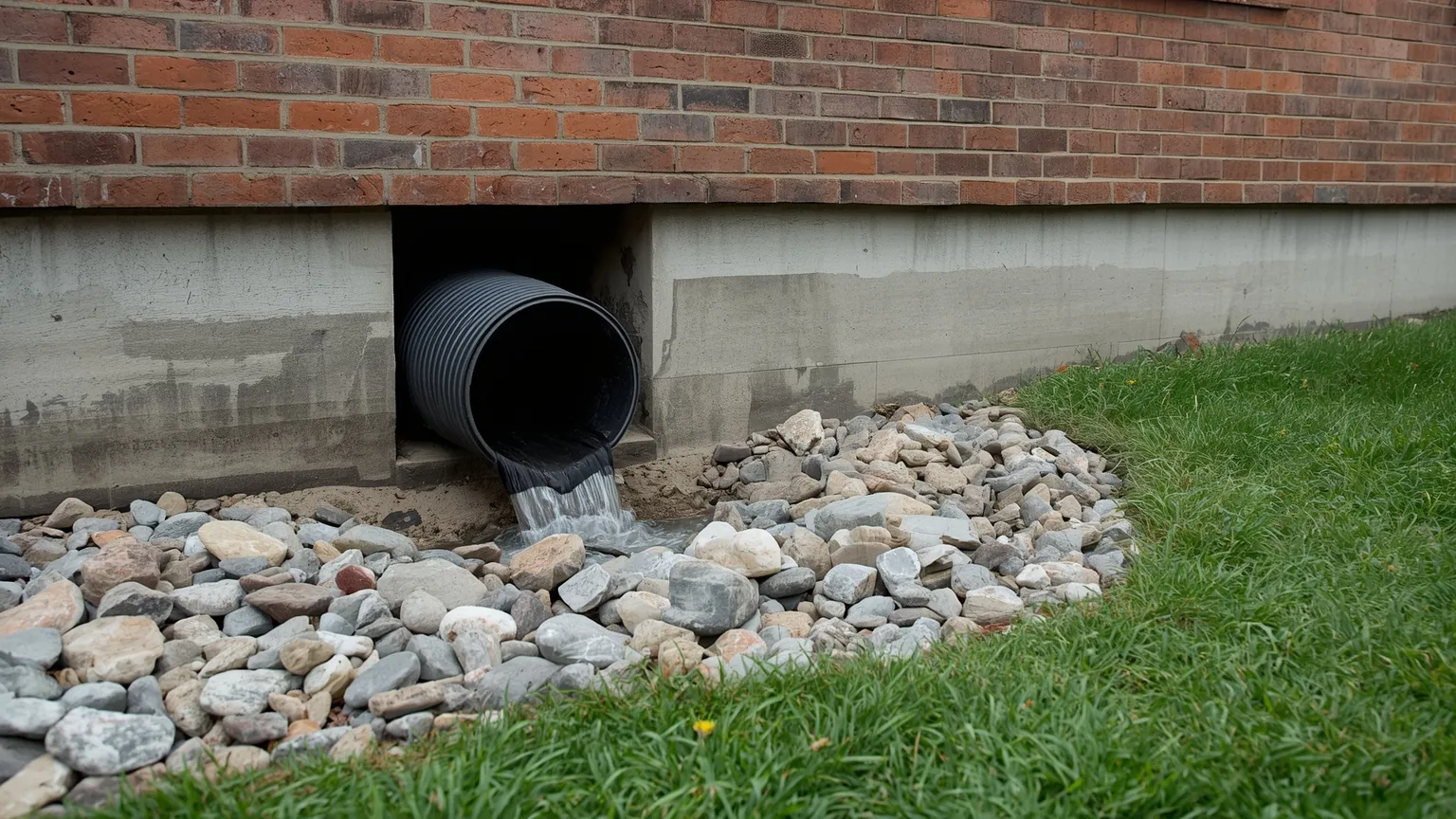
Crawl Space Drainage
Drainage is what you install when water is genuinely arriving as liquid. In Charlotte a good share of those problems start at the gutters and the grade, which is worth establishing before anything is dug.
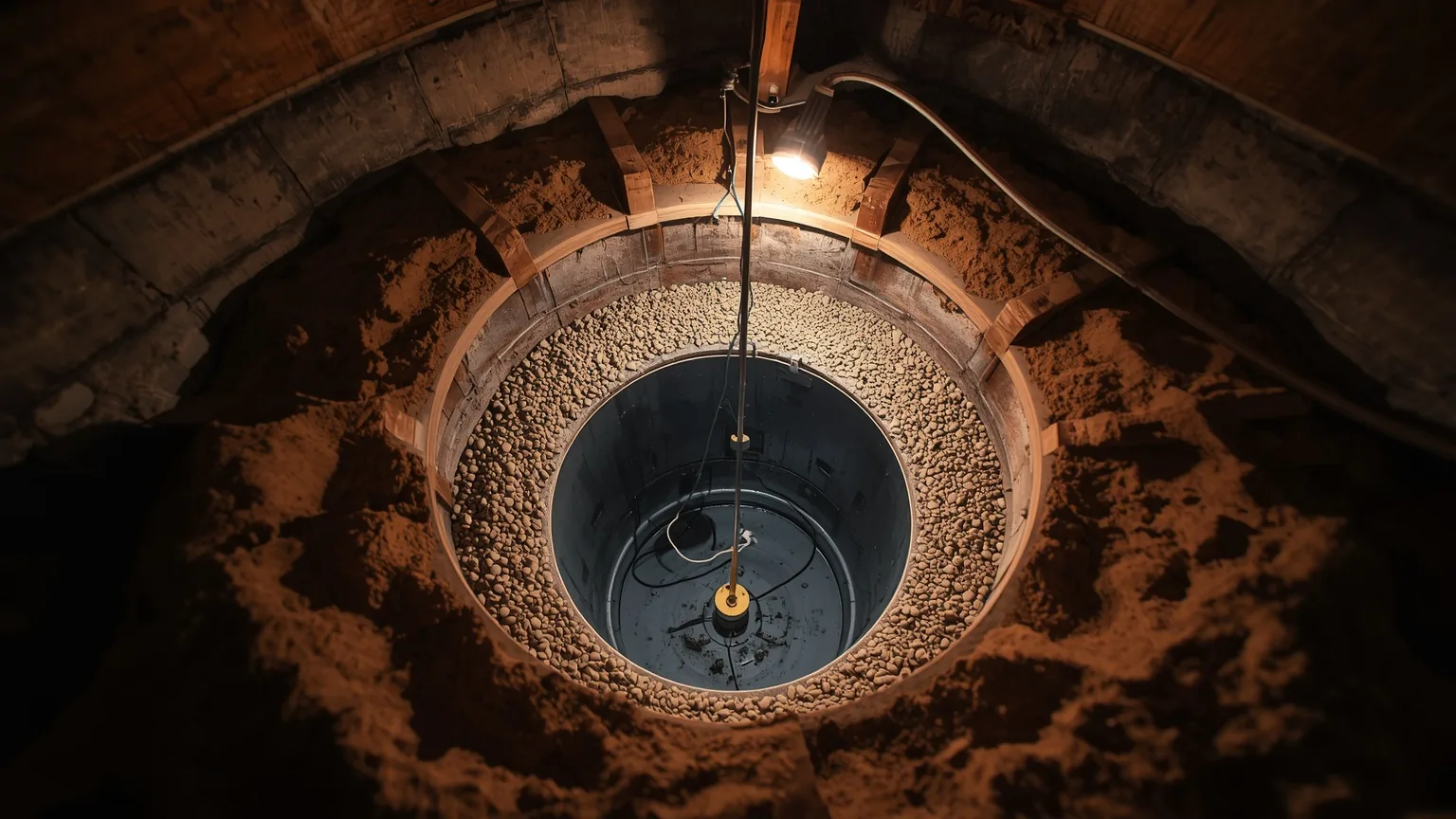
Crawl Space Sump Pump Installation
A sump pump collects water that has already arrived and moves it somewhere else. It is the right tool when gravity drainage is not available, and it introduces a mechanical dependency worth understanding before it is installed.
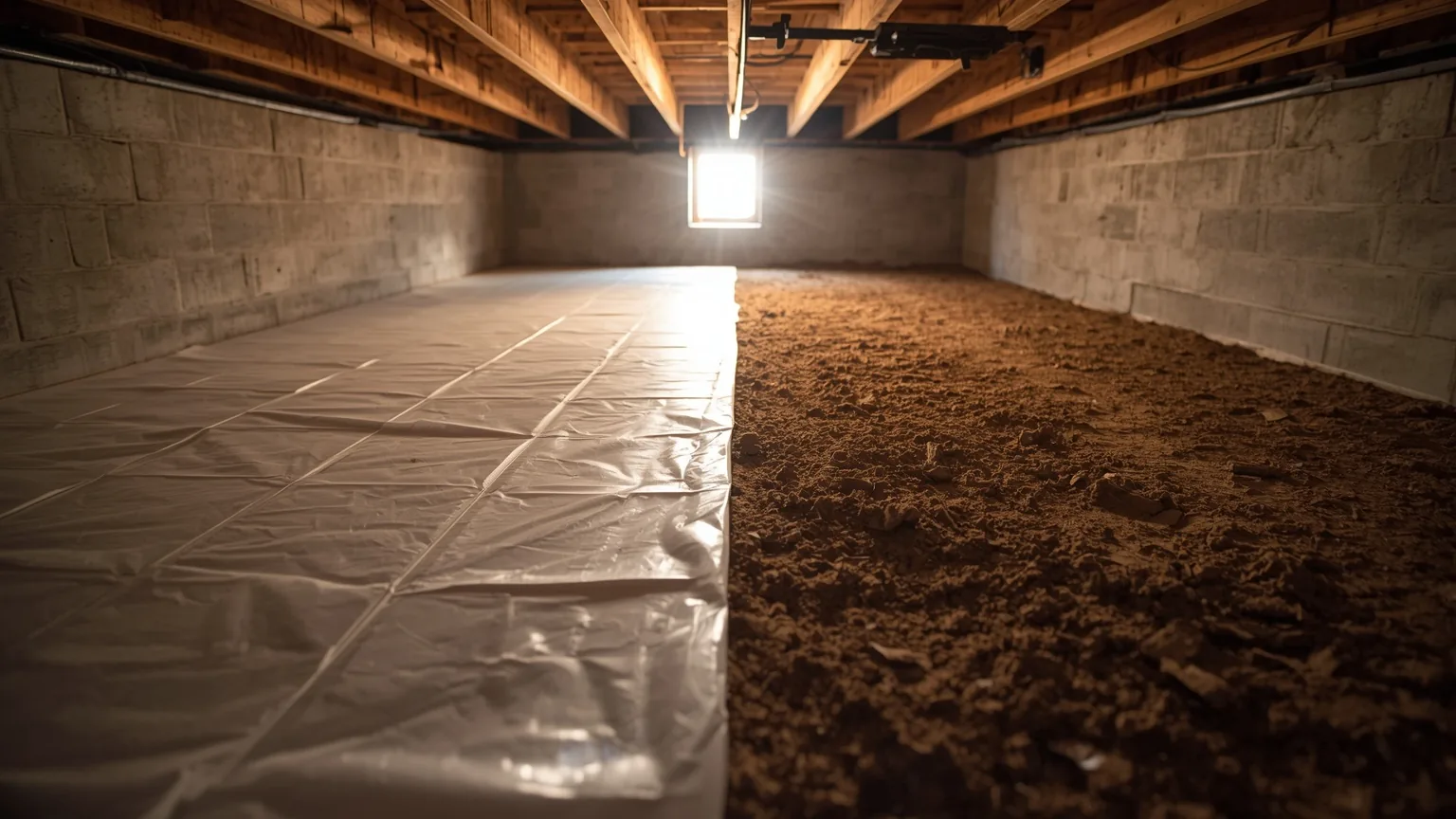
Vapor Barrier Installation
Ground cover cuts off the moisture rising out of the soil. It is a real and useful thing to install, and it is also routinely sold as though it were encapsulation, which it is not.
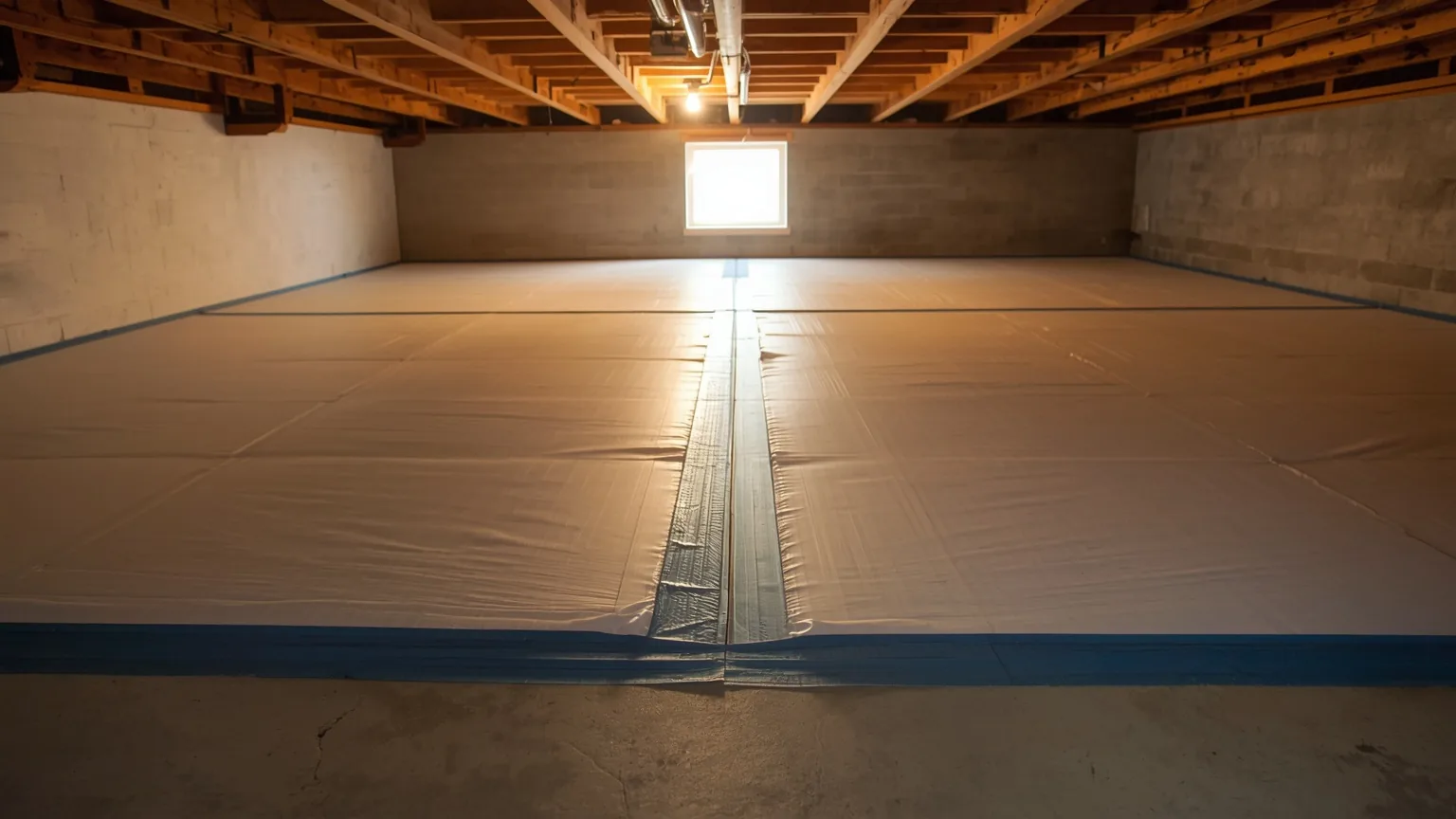
Crawl Space Encapsulation
Encapsulation seals the crawl space off from the ground and from outside air, then controls the humidity of what is left. It is the right answer for a chronically damp crawl space and the wrong answer for one that is actively flooding.
Find out what is actually causing it.
Someone gets under the house, takes moisture readings, and writes the scope down before a price exists.