
Crawl Space Encapsulation & Repair in Charlotte, NC
Crawl space problems here are usually a humidity problem before they are a water problem. We find what is actually driving the moisture — groundwater arriving through Piedmont clay, runoff off the roof and lot, or humid air condensing on cool surfaces — and scope the fix in that order, with moisture readings and a written scope before anything is quoted.
Who does crawl space encapsulation in Charlotte, NC?
Charlotte Crawl Space Contractor arranges crawl space encapsulation, waterproofing and repair across Charlotte and the surrounding counties — ground vapor liner, sealed vents and rim joists, drainage where water is present, and humidity control sized to the space. Call (704) 419-8494.
Why crawl spaces fail here
The physics that ruins a vented crawl space is simple. Warm outdoor air holds far more moisture than cool air. When that air comes through the vents and meets surfaces sitting below its dew point — ductwork, water lines, the underside of the subfloor — the moisture condenses onto them. The openings meant to keep the space dry are the route the moisture takes in.
Charlotte sits in a humid subtropical climate, which means long stretches of warm, moisture-heavy air from late spring through early fall. That is why a crawl space in this region is frequently at its worst in the hottest weeks rather than the wettest ones, and why adding more vents often makes the problem worse rather than better.
Wood begins supporting fungal growth at roughly 20 percent moisture content. Framing is not damaged by one humid week; it is damaged by months of sitting above that threshold. It accumulates quietly over years, so it is normally noticed upstairs as movement underfoot or an odor, long before anyone connects it to the crawl space.
Crawl space services in Charlotte
Encapsulation & Moisture
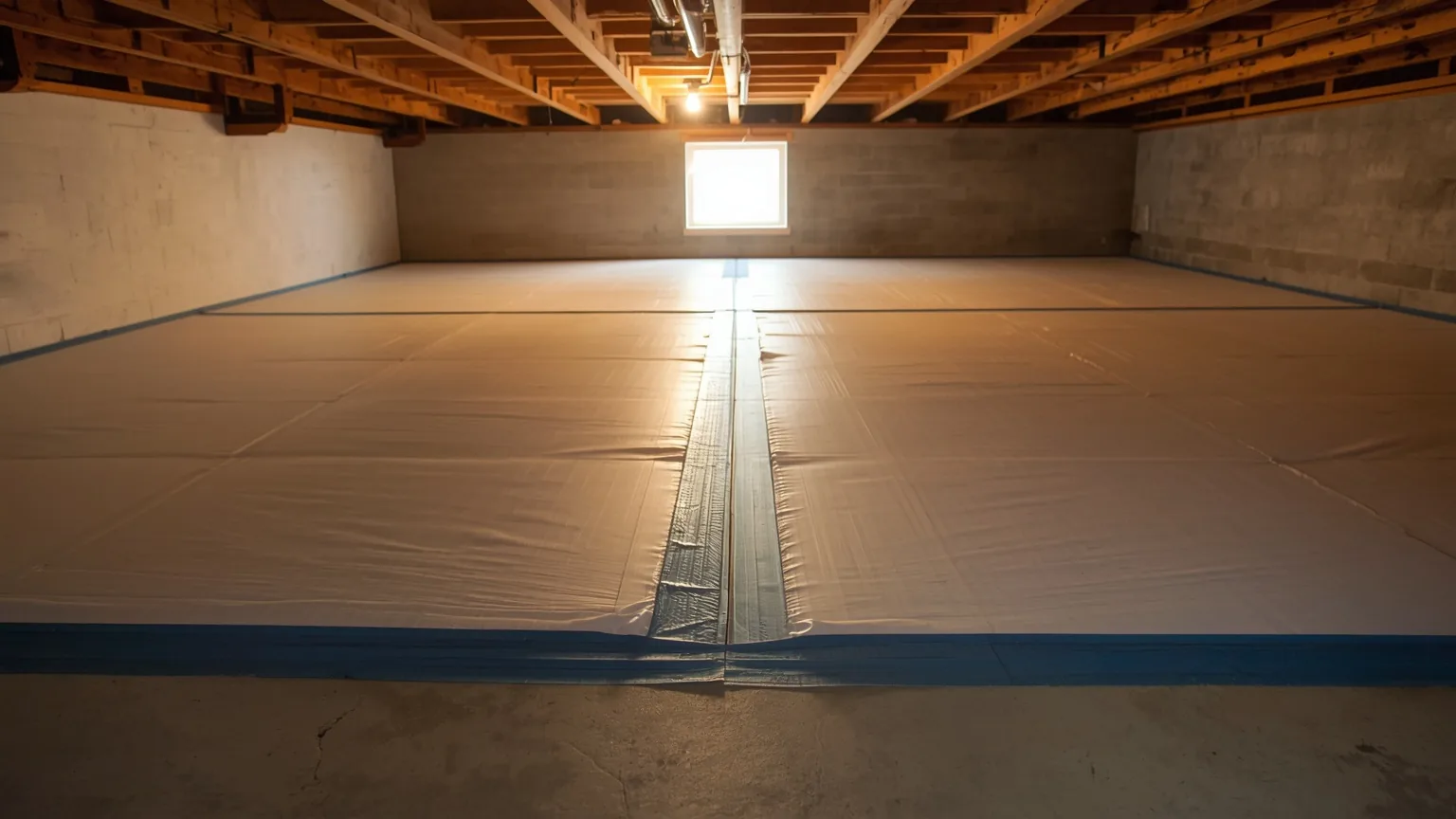
Crawl Space Encapsulation
Encapsulation seals the crawl space off from the ground and from outside air, then controls the humidity of what is left. It is the right answer for a chronically damp crawl space and the wrong answer for one that is actively flooding.
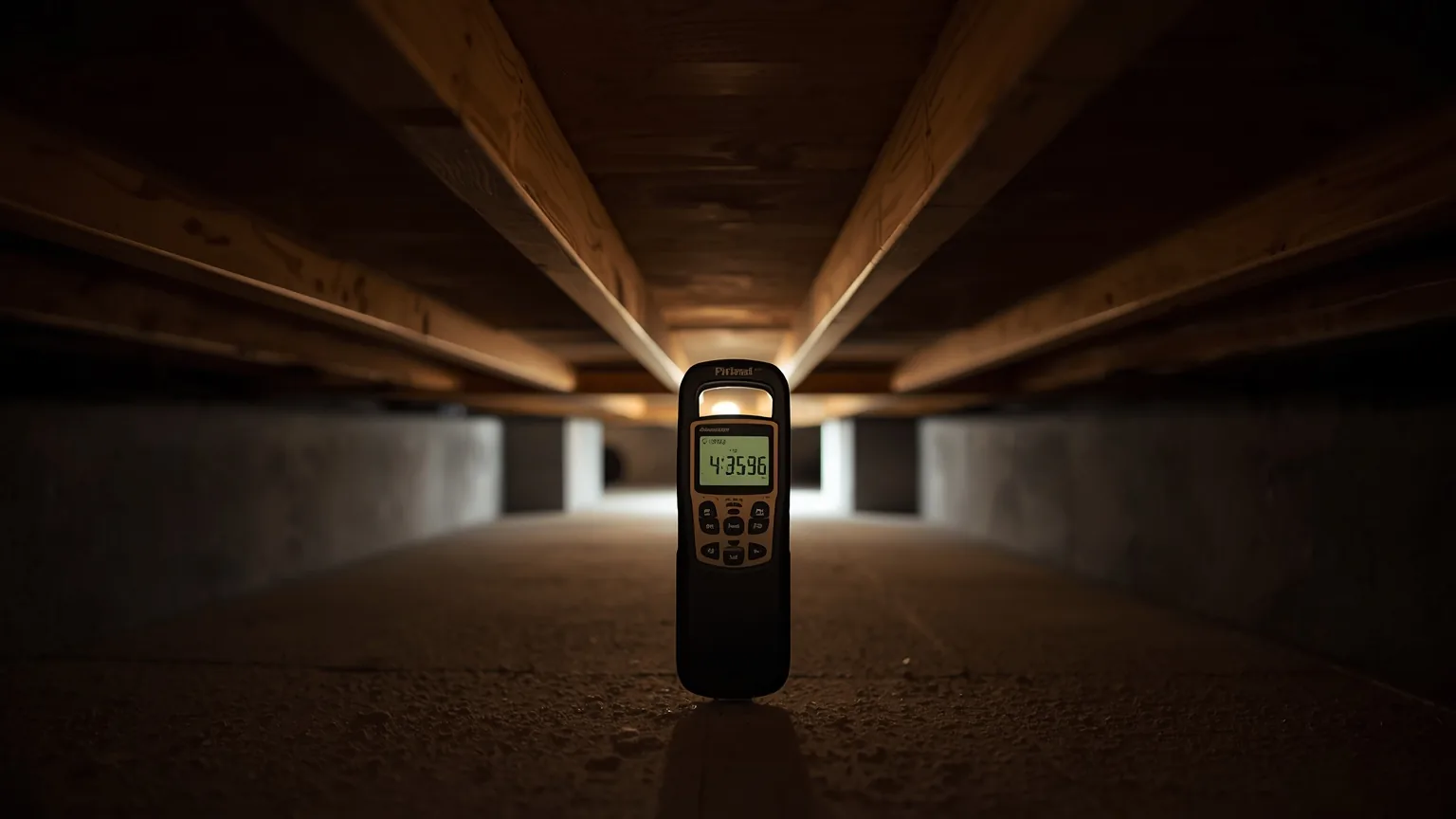
Choosing a Crawl Space Encapsulation Contractor
Two encapsulation quotes for the same Charlotte house can differ enormously and both be honest, because the word encapsulation covers genuinely different scopes of work. This page is about reading the difference.
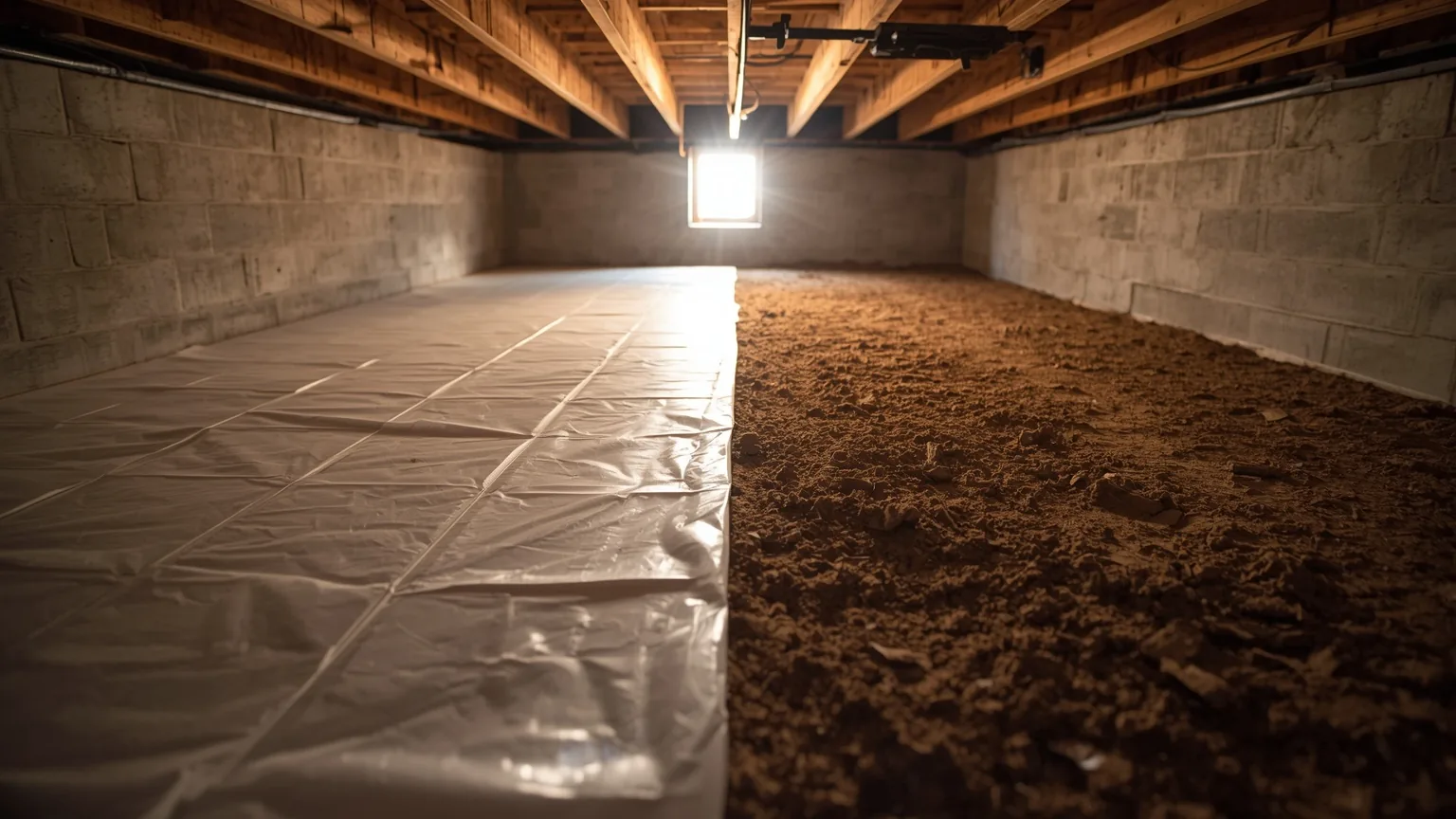
Vapor Barrier Installation
Ground cover cuts off the moisture rising out of the soil. It is a real and useful thing to install, and it is also routinely sold as though it were encapsulation, which it is not.
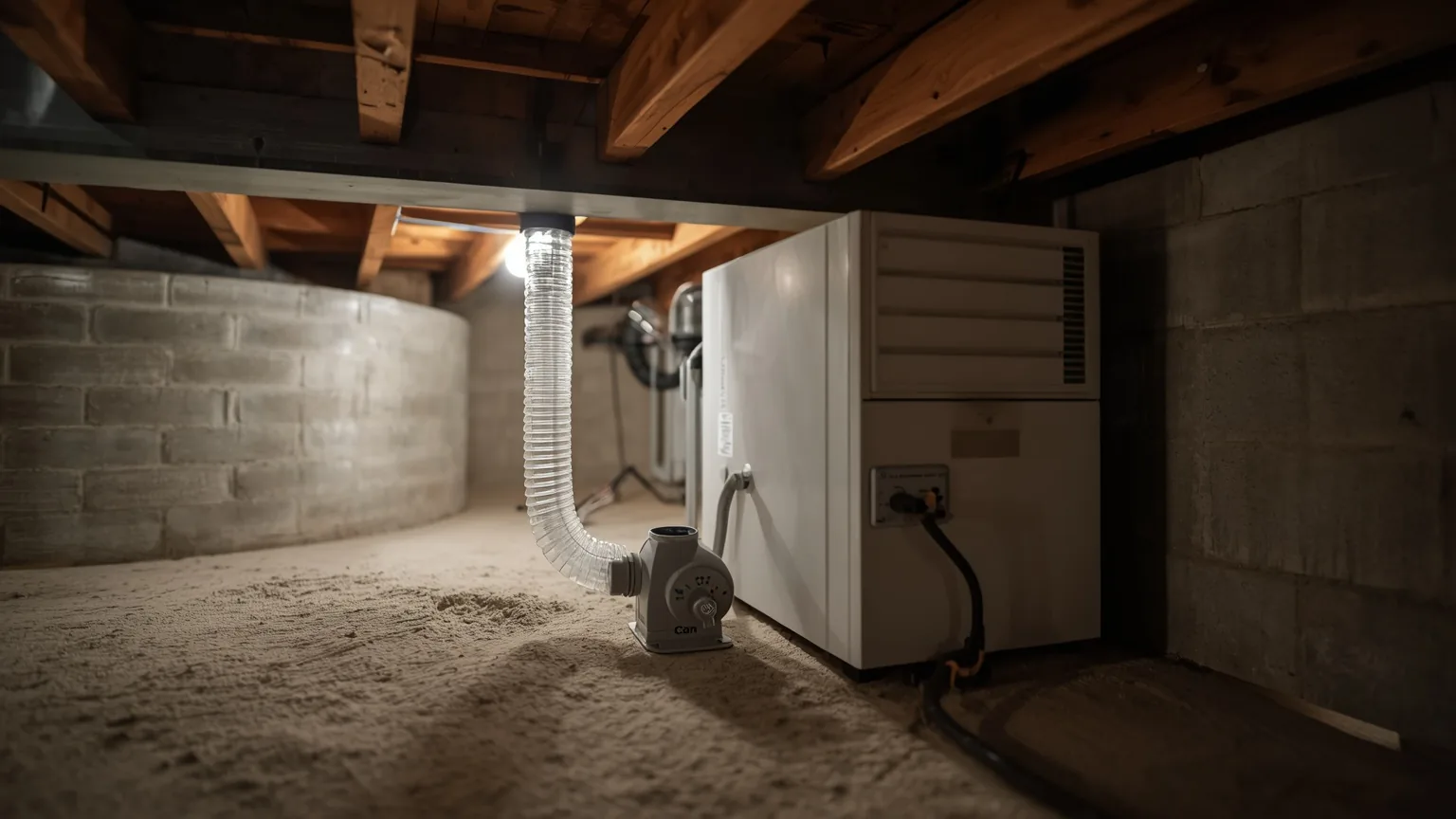
Crawl Space Dehumidifier Installation
A crawl space dehumidifier is not a portable unit set on the dirt with an extension cord running to it. It is a permanently installed appliance with a condensate drain, sized to the space it is drying.
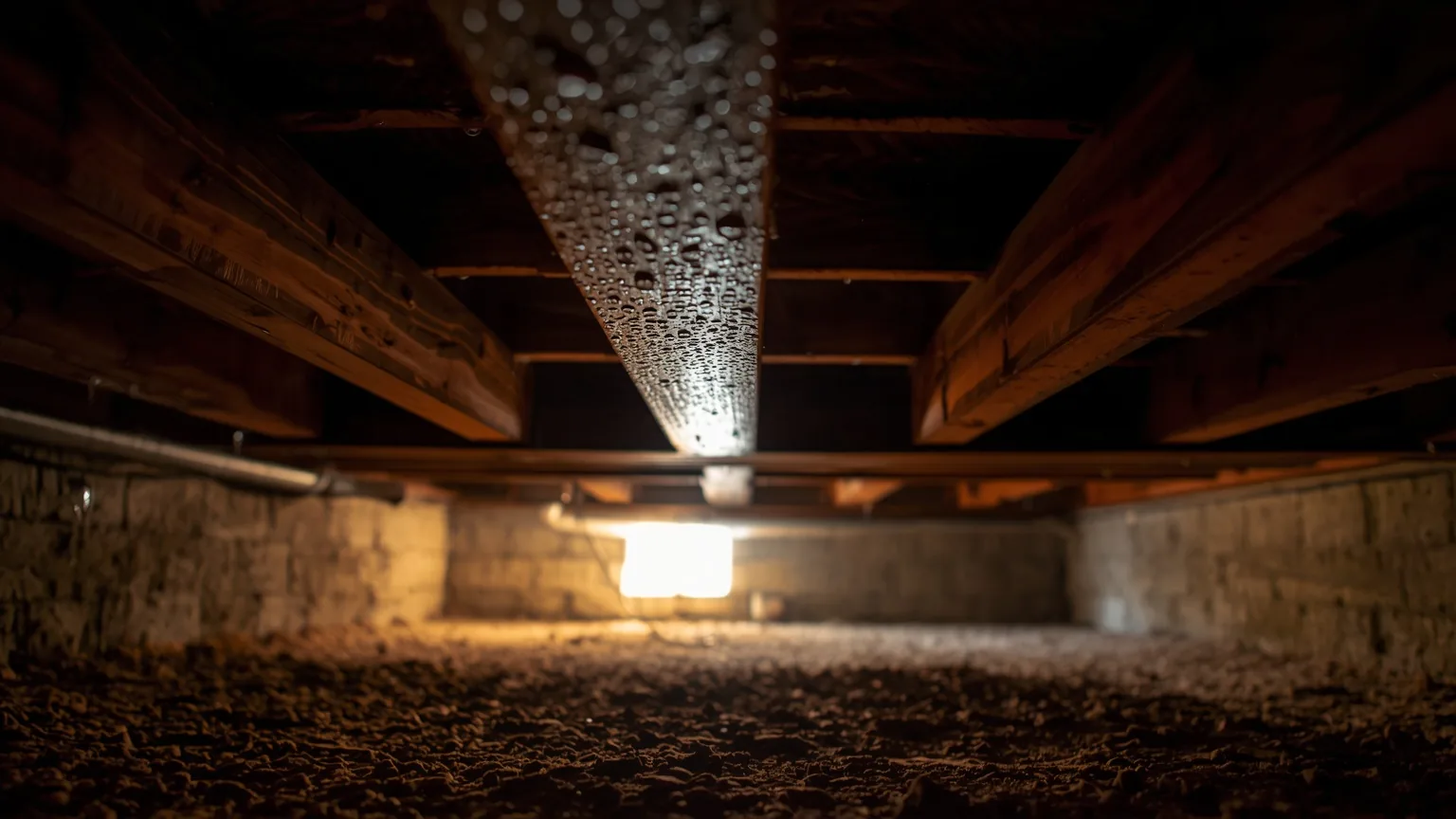
Crawl Space Moisture Control
Moisture control is not one product. It is the question of which of four sources is putting water into your crawl space, because each one has a different answer and buying the wrong one is how people end up doing this twice.
Water & Structure
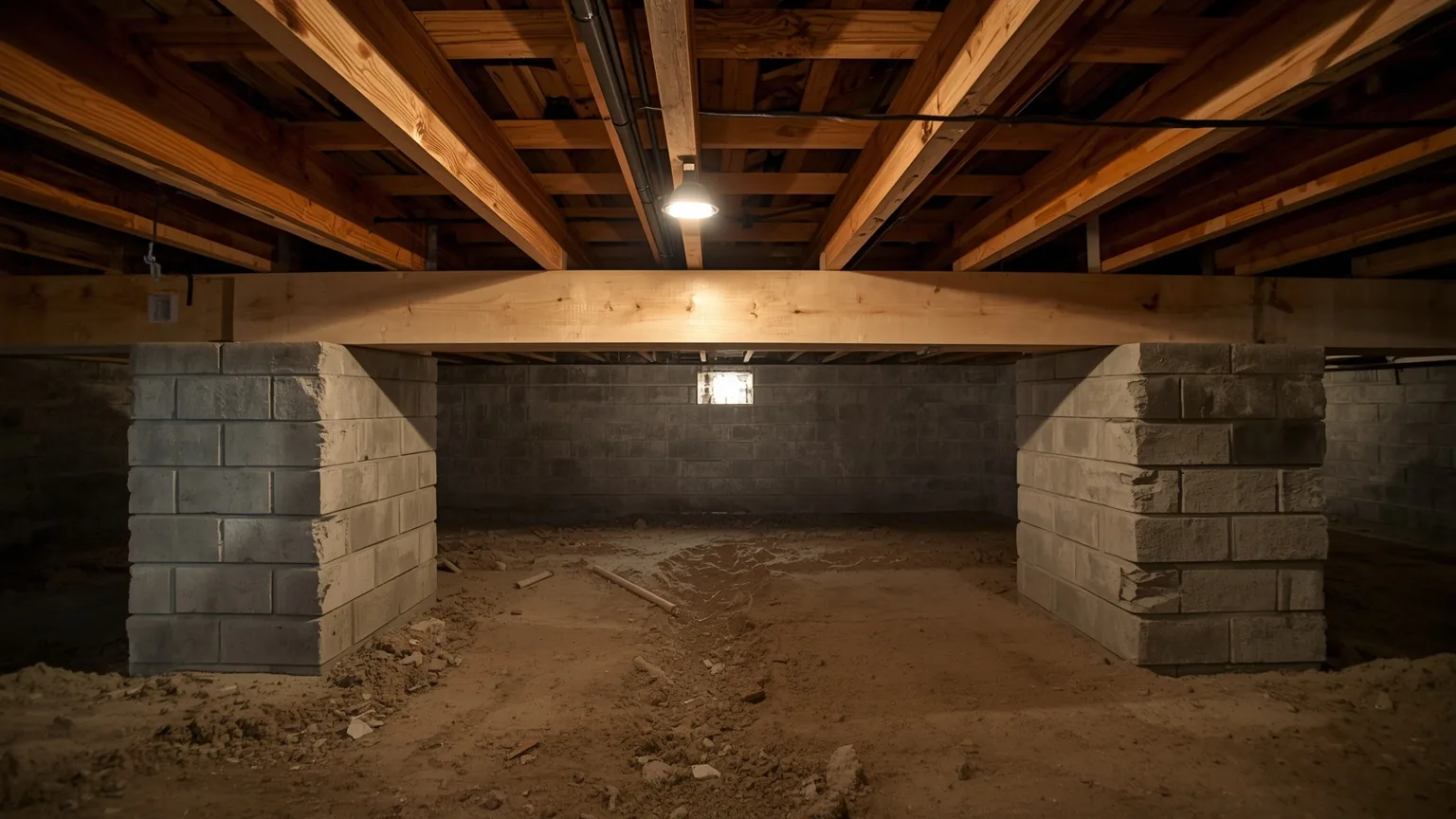
Crawl Space Repair
If something under the house has already gone wrong — water standing, insulation down, floors moving, a smell that will not clear — the useful first step is establishing what caused it, because the cause determines the repair.
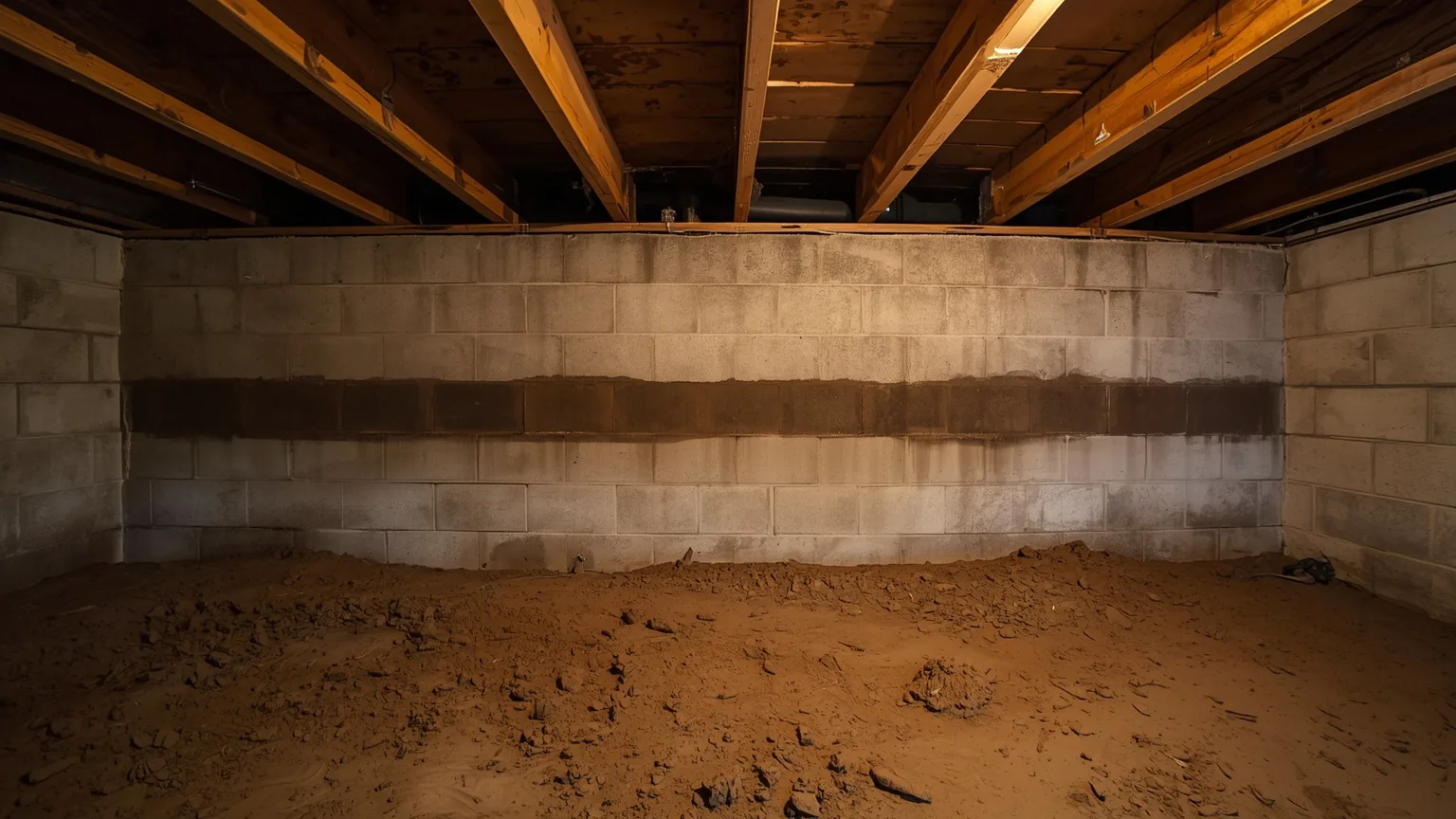
Crawl Space Waterproofing
Waterproofing deals with liquid water getting in. Encapsulation deals with vapor and humidity. They solve different problems, they are frequently sold together, and knowing which one you actually need is most of the decision.
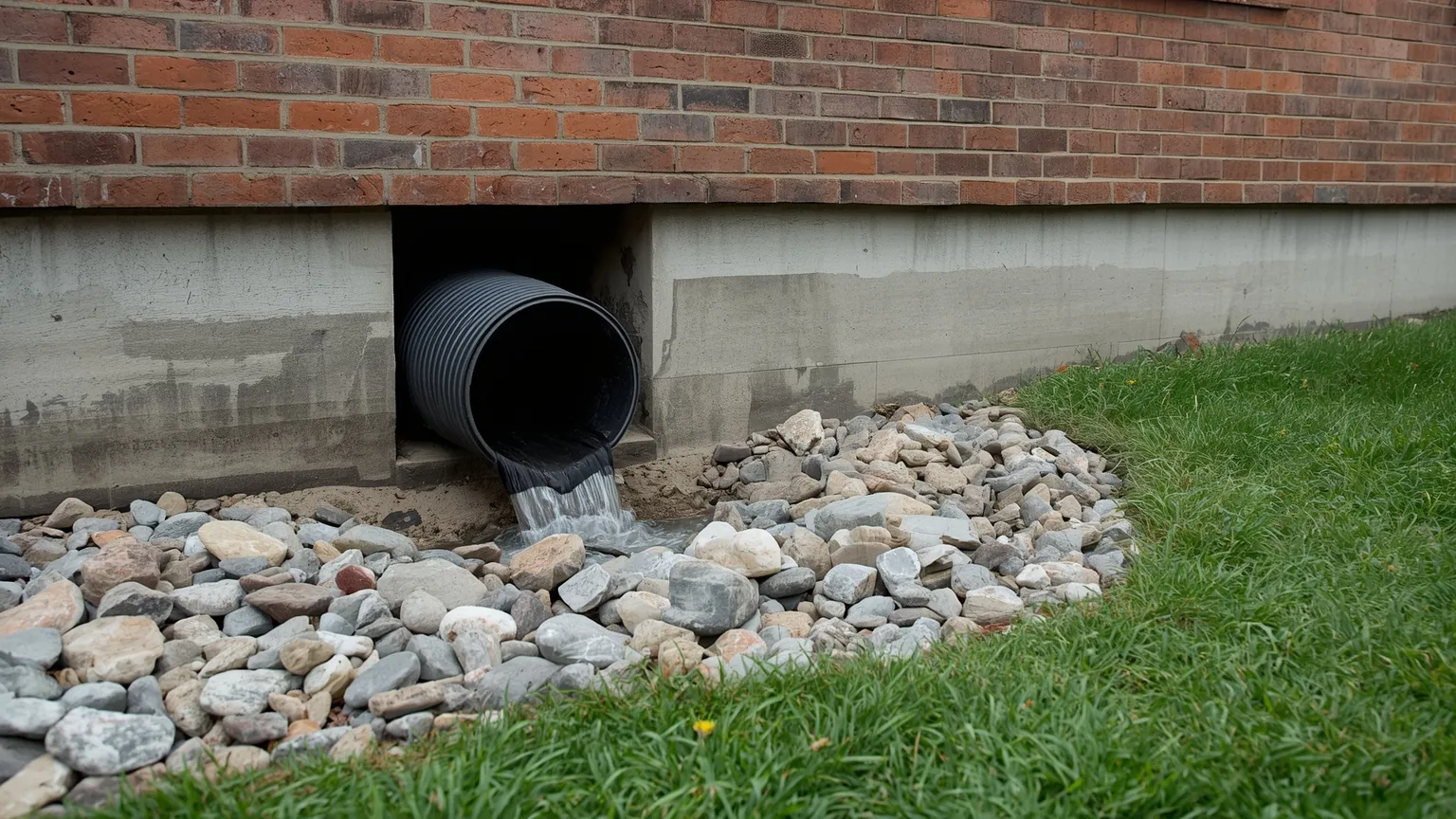
Crawl Space Drainage
Drainage is what you install when water is genuinely arriving as liquid. In Charlotte a good share of those problems start at the gutters and the grade, which is worth establishing before anything is dug.
Crawl Space Sump Pump Installation
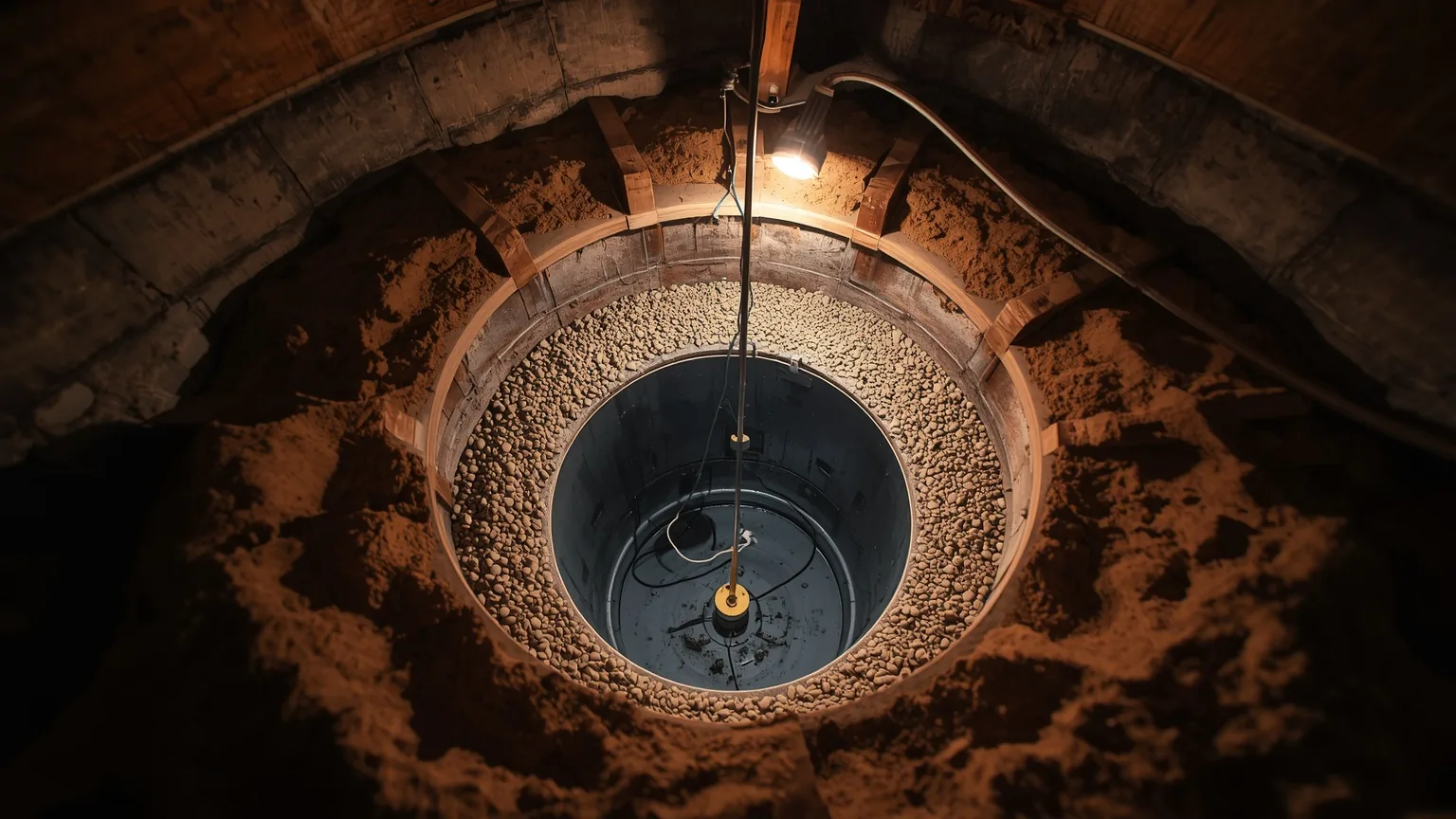
A sump pump collects water that has already arrived and moves it somewhere else. It is the right tool when gravity drainage is not available, and it introduces a mechanical dependency worth understanding before it is installed.
Signs your crawl space needs attention
Insulation falling or matted
Batts take on moisture, grow heavy and let go of the subfloor. What you can see hanging is usually the visible end of a moisture problem that has been running a while.
Musty smell upstairs
Houses draw air upward, so part of what reaches your ground floor came from under it. Odor that returns every summer points down rather than around.
Bouncy or sloping floors
Framing that has lost stiffness, or a support that has moved. Worth looking into rather than tolerating, since whatever is behind it rarely stops on its own.
Condensation on ducts and pipes
Water beading on cool surfaces is humid air reaching its dew point. That water lands on the framing below and stays there.
Standing water after rain
A drainage problem rather than a vapor problem. Deal with it before any liner is installed, or the liner just puts a lid on it.
Indoor humidity that will not drop
An air conditioner working against a continuous supply of moist crawl space air tends to run long and still leave the house feeling damp.
When encapsulation is the right answer — and when it is not
Encapsulation is not the right answer for every crawl space. A space that is genuinely dry, with no standing water, no staining from condensation, and framing reading in a normal moisture range, may only need targeted repairs or a vapor barrier over the ground.
Encapsulation tends to be the right recommendation when moisture is chronic rather than occasional — persistent condensation, fungal growth on framing, insulation that has fallen, or humidity that stays high right through the summer regardless of the weather.
A contractor who recommends encapsulation without measuring anything is guessing. The evaluation should include actual moisture readings on the framing and an assessment of where water is entering, because those two findings determine whether you need drainage, encapsulation, structural repair, or some combination of the three. If you are weighing up quotes, how to choose a contractor covers what belongs in a scope of work.
What North Carolina's code actually says
North Carolina writes its own residential code rather than adopting the International Residential Code unamended, and its crawl space provisions sit at Section R409 instead of the IRC's R408. If you are checking a contractor's specification against something you found online, that difference is worth knowing.
R409.2.1 sets a minimum 6-mil polyethylene vapor retarder or equivalent, installed to nominally cover all exposed earth, with joints lapped not less than 12 inches. It also requires the crawl space floor to be graded so it drains to one or more low spots, with a drain to daylight or a sump pump at each low spot — and requires those crawl space drains to be kept separate from roof gutter drain systems and foundation perimeter drains.
Read together, that means a code-compliant closed crawl space in this state has a plan for liquid water, not only for vapor. The code is a floor rather than a specification for good work: most encapsulation uses a considerably heavier liner than 6-mil, for durability under foot traffic rather than for better vapor performance.
Water, drainage and where it comes from
If your crawl space holds standing water, that is a waterproofing problem and it is handled before anything else. A liner installed over a crawl space that still floods does not stop the water — it puts a sheet of plastic over it, and now the water collects where nobody can see it.
Charlotte sits in the Piedmont, where the underlying crystalline rock weathers in place into saprolite — a clay-rich material that can run many tens of feet deep before solid rock begins. Piedmont soils carry less sand and more clay than the Coastal Plain soils east of here, and the USGS puts their infiltration rate at roughly 6 to 15 centimeters per hour — low enough that water arriving faster than that has to go somewhere other than down. The practical consequence is that water arriving faster than the ground can absorb it travels across the surface and follows the grade — so the most common causes here are simpler and cheaper than homeowners expect: gutters discharging at the foundation, downspouts that end at the wall, and ground that slopes toward the house rather than away from it. A competent evaluation checks those first, before anyone proposes a sump system.
The North Carolina Geological Survey records shrink-swell clays across the Piedmont. Clay that expands when wet and contracts when dry moves, and what it moves is whatever sits on it, which is one of the things that shows up upstairs as a floor that has gone out of level.
Structural damage, and why moisture comes first
Crawl space structural repair is almost always moisture damage that has been at work long enough to reach the framing — softened or rotted joists, deteriorating subfloor, failing support posts. In the rooms above it reads as springy spots underfoot, a floor that runs slightly downhill, or a door that no longer closes cleanly.
Putting a new joist into a space that is still wet only resets the clock. The replacement lives in whatever destroyed the original. Any sound proposal establishes the moisture source, stops it, repairs the damage, then controls the remaining humidity with moisture control so it does not return. Structural work quoted without dealing with the water first is work you will end up paying for a second time.
How an evaluation works
A useful crawl space evaluation is not a look around with a torch. These are the four things it should establish before anyone quotes a number.
- Establish where water enters. Grading, gutters and downspout discharge, groundwater and plumbing are checked before anything is specified, because that determines whether drainage has to come first.
- Measure the framing. Moisture content readings on joists, beams and subfloor rather than a visual guess, since roughly 20 percent is the threshold where fungal decay becomes possible.
- Assess structure and existing systems. Joists, girders and support piers checked for damage, along with existing insulation and barrier condition, ductwork routing, and whether combustion appliances are present.
- Written scope, in order. What will be done, in what sequence, and why — not a single price attached to an unspecified package.
Serving Charlotte and the surrounding counties
Charlotte · Matthews · Mint Hill · Huntersville · Cornelius · Davidson · Pineville · Indian Trail · Harrisburg · Concord · Waxhaw · Belmont · Gastonia · Monroe · Mooresville
Crawl space work across Mecklenburg, Union, Cabarrus, Gaston, Iredell and Lincoln counties, within roughly 40 miles of Charlotte. Crawl space foundations are common across older Charlotte neighborhoods and much of the surrounding county, in the housing stock built before slab-on-grade became the regional default. Full detail on where we cover.
Charlotte crawl space questions
How much does crawl space encapsulation cost in Charlotte?
It comes down to what is actually under there. A number given before anyone has crawled the space is guesswork with a price attached. The factors that move it most are square footage and clearance height, whether drainage is needed before the liner goes down, whether existing insulation has to be removed, and whether structural repair is required first. Ask to see the scope broken out line by line rather than bundled — two quotes for "encapsulation" can describe genuinely different work.
Why is my crawl space wet in summer when it has not rained?
Because the water is arriving as humid air rather than as rain. Warm outdoor air holds far more moisture than cool air. When it comes in through the foundation vents and touches surfaces below its dew point — ductwork, water lines, the underside of the subfloor — that moisture condenses onto them. Through a Carolina summer those vents import moisture instead of exporting it, which is why the space is usually worst in the hottest weeks rather than the wettest.
Do I need encapsulation, or just a vapor barrier?
Ground cover interrupts the soil moisture that would otherwise evaporate into the space. Encapsulation does that, plus seals the vents and rim joists, and then manages the humidity of the sealed space. Where a space is already dry, ground cover on its own may be the whole job. Where humid outside air is condensing on cool surfaces, covering the ground does not address the source of that water.
What does North Carolina require for a crawl space vapor barrier?
North Carolina Residential Code R409.2.1 sets a minimum 6-mil polyethylene vapor retarder or equivalent, covering all exposed earth, with joints lapped not less than 12 inches. The same section requires the floor to be graded so it drains to one or more low spots, with a drain to daylight or a sump pump at each low spot, and requires crawl space drains to be kept separate from roof gutter and foundation perimeter drains. Note that North Carolina numbers its crawl space provisions R409, not the R408 used by the International Residential Code.
Will encapsulation fix my sagging floors?
No. Sealing the space removes the cause. It does nothing for framing the moisture has already degraded. Where joists or beams are compromised, the structural repair has to come first and encapsulation then prevents a repeat. A proposal that offers one without addressing the other has skipped a step.
How do I know if my crawl space has a problem?
Common signs are insulation that has fallen or matted, a musty smell on the ground floor that returns each summer, floors that feel bouncy or have begun to slope, condensation or rust on ductwork and pipes, standing water after rain, and indoor humidity the air conditioner struggles to bring down. Any one of those is worth an evaluation.
Do you do the work yourselves?
No. Charlotte Crawl Space Contractor is an advertising and lead-routing service. We connect Charlotte-area homeowners with independent crawl space contractors, and the contractor you speak with performs the work and holds the relevant license and insurance.
Find out what is actually causing it.
A real inspection under the house, moisture readings taken on site, and the scope in writing before anything is priced.
Would you rather write it down? Send the details through the form and you will get a call back. More on what this service is and is not.