
Crawl space sump pump installation in Charlotte, NC
A sump pump collects water that has already arrived and moves it somewhere else. It is the right tool when gravity drainage is not available, and it introduces a mechanical dependency worth understanding before it is installed.
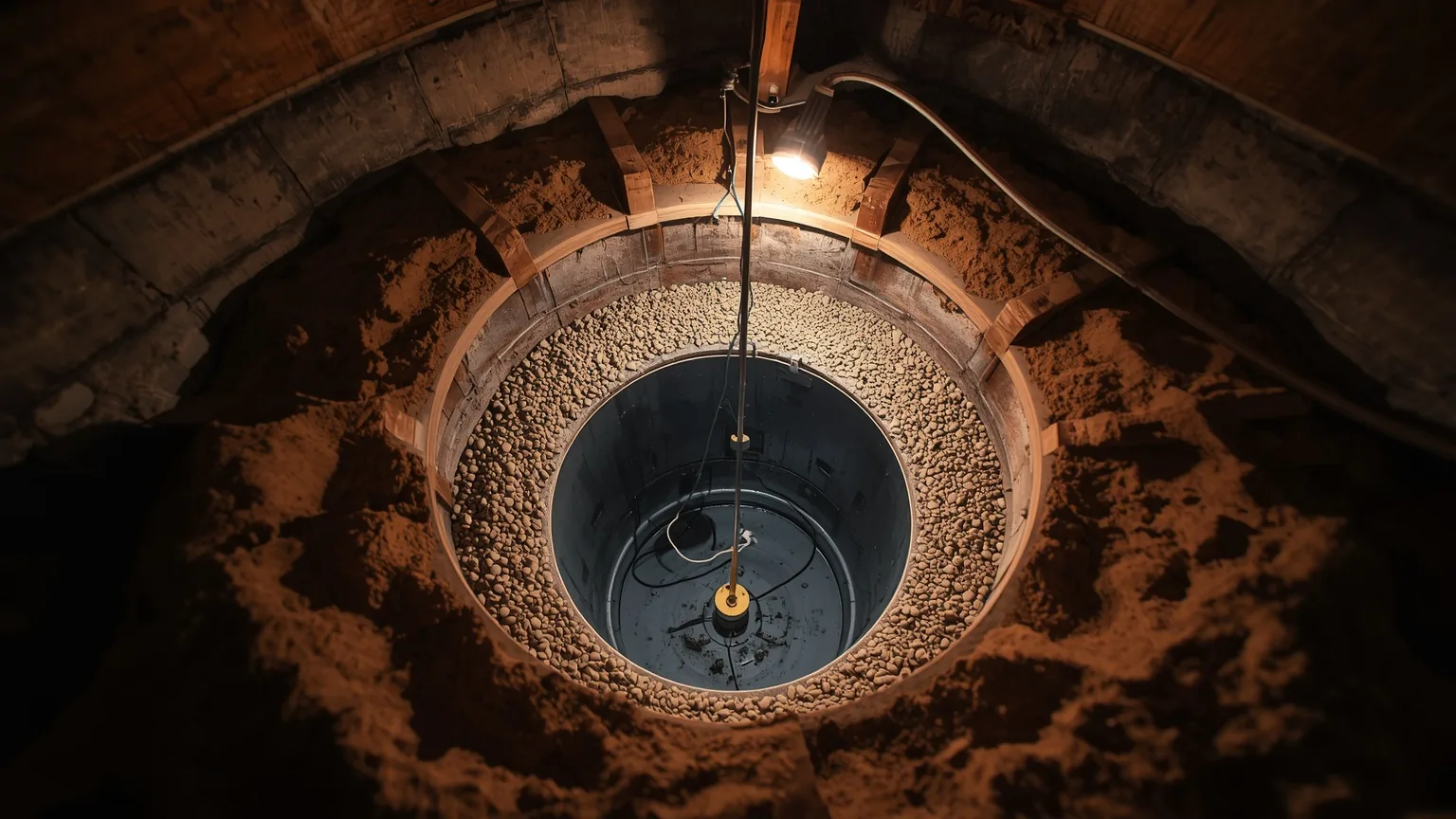
Who handles crawl space sump pump installation in Charlotte, NC?
Charlotte Crawl Space Contractor arranges crawl space sump pump installation across Charlotte and the surrounding counties — basin placement, discharge routing away from the foundation, backup considerations and the drainage that feeds it. Call (704) 419-8494 to arrange an evaluation.
When a sump is the right answer
North Carolina's residential code requires the crawl space floor to be graded to one or more low spots, with a drain to daylight or a sump pump at each low spot. Those two options are alternatives, and which one is appropriate is a question about your property rather than a preference.
Where the site falls away from the house enough to run a gravity drain to a lower point, that is generally the better answer — nothing to power, nothing to fail, no service interval. A sump pump is what you install when the grade does not permit that, which on a flat or low-lying lot is common.
A sump is also not a substitute for finding out why water is arriving. It is the last stage of a drainage system, handling water that the earlier stages have collected.
What the installation involves
The pump is one component. The parts around it determine whether the system is reliable.
- Basin placement and depth. Set at the low point the floor drains toward, deep enough that the pump cycles sensibly rather than constantly.
- A sealed, secured lid. In an encapsulated crawl space an open basin is an opening in the assembly and a continuous evaporation surface. It also matters for keeping debris out.
- Discharge routing. The single most consequential detail. Water discharged near the foundation soaks back into the soil beside the house and returns. It has to be carried well away.
- Check valve. Stops the column of water in the discharge line running back into the basin when the pump shuts off, which would otherwise make it re-pump the same water.
- Dedicated power. A proper circuit rather than an extension cord. This is frequently the line quietly missing from a quote.
- Freeze consideration on the discharge. A discharge line that freezes at the outlet has nowhere to send water during a cold snap, which is exactly when nobody is checking it.
Backup, and what it is actually for
A sump pump depends on electricity, and the weather that produces the most water is also the weather most likely to interrupt power. That coincidence is the entire argument for a backup.
Whether you need one is a judgment about consequences rather than about the equipment. If a failure during a storm means water standing under the house until someone notices, a battery backup or a water-powered alternative is worth pricing. If the crawl space takes on water rarely and slowly, it may not be.
What is worth avoiding is discovering the answer during the storm. Ask what happens on power loss and decide deliberately.
Service life and maintenance
A sump pump is a mechanical device with a finite life. It will eventually fail, and the useful question is not whether but whether you will know when.
Pumps that run frequently wear faster than pumps that run rarely. Basins collect silt and debris that shorten life. Float switches are a common failure point and can jam without the pump itself being faulty.
Worth asking at installation: what the expected service interval is, how you would know it had failed before water appeared, and whether the specific unit is one that can be replaced without disturbing the encapsulation around it.
Where a sump does not help
A sump handles liquid water. It does nothing about soil vapor evaporating from uncovered ground, and nothing about humid outside air condensing on cool surfaces.
A crawl space with a well functioning sump can still be persistently damp, smell musty and hold framing above the moisture content where decay begins. If the water you are seeing is condensation on ducts and pipes rather than water running in, a sump is not the fix and installing one will not change it.
Gravity first, and what the ground here allows
Charlotte sits in the Piedmont, where the underlying crystalline rock weathers in place into saprolite — a clay-rich material that can run many tens of feet deep before solid rock begins. What that means for a sump is that the ground below will not quietly absorb what you collect.
So the question is where collected water can be sent. Where a lot falls away from the house, routing to daylight is better than any pump, because gravity has nothing to fail mid-storm. A pump is the right answer where there is genuinely nowhere for the water to go on its own — the end of a drainage system, not a substitute for one.
Crawl Space Sump Pump Installation questions
Does every crawl space need a sump pump?
No. North Carolina's code requires a drain to daylight or a sump pump at each low spot in a closed crawl space, and where the site grade allows gravity discharge, the drain to daylight is generally preferable because it has no pump to fail. A sump is the answer where gravity discharge is not available, not a default component.
Where should the sump pump discharge go?
Well away from the foundation, and this is the detail that most often undermines an otherwise sound installation. Water discharged beside the house soaks into the soil next to the foundation and returns to the crawl space, so the pump ends up moving the same water repeatedly. Confirm in the written scope where the discharge terminates.
How long does a crawl space sump pump last?
It is a mechanical device with a finite service life, and how long depends heavily on how often it runs and how much silt is in the basin. Rather than expecting a fixed number of years, ask what the expected service interval is for the specific unit and how you would detect a failure before water appeared — a pump that fails silently is the real risk.
Do I need a battery backup for my sump pump?
It depends on the consequence of a failure at the wrong moment. The storms that produce the most water are also the ones most likely to cut power, so a pump without backup is least available exactly when it is most needed. If water standing under the house until someone notices would be a significant problem, price a backup. If intrusion is rare and slow, it may not be warranted.
Can a sump pump be installed in an encapsulated crawl space?
Yes, and it is common — but the basin needs a sealed, secured lid rather than being left open. An open basin in a sealed crawl space is both a hole in the assembly and a continuously evaporating water surface, which works directly against the humidity control the encapsulation was installed to achieve.
My sump pump runs constantly — is that a problem?
It is worth investigating rather than accepting. Constant cycling can mean the basin is undersized or set too shallow, that the check valve has failed and the pump is re-pumping its own discharge, or that far more water is arriving than the site should be producing — which usually points back to surface water from gutters and grade. Frequent running also shortens the pump's life considerably.
Related crawl space services
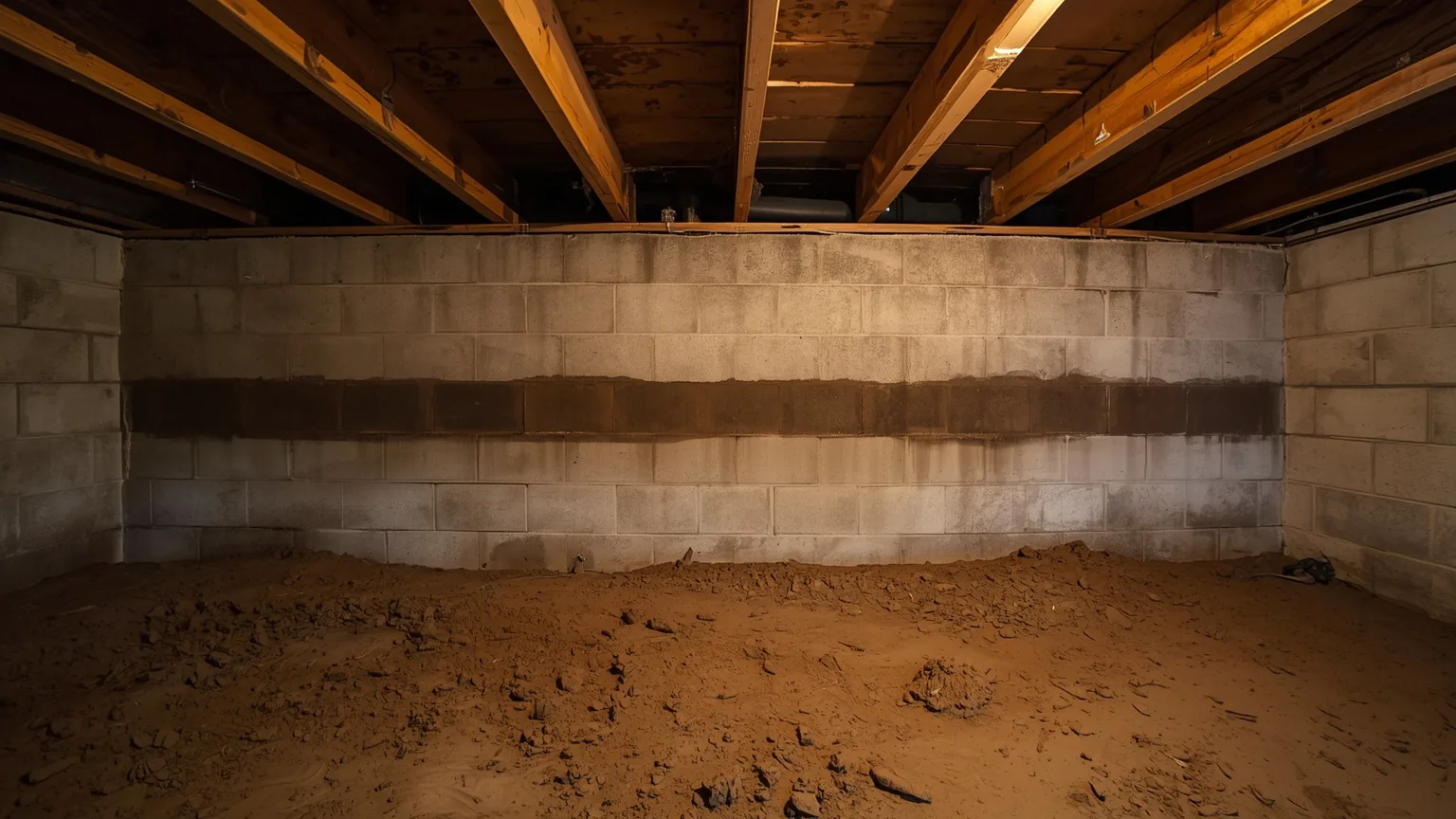
Crawl Space Waterproofing
Waterproofing deals with liquid water getting in. Encapsulation deals with vapor and humidity. They solve different problems, they are frequently sold together, and knowing which one you actually need is most of the decision.
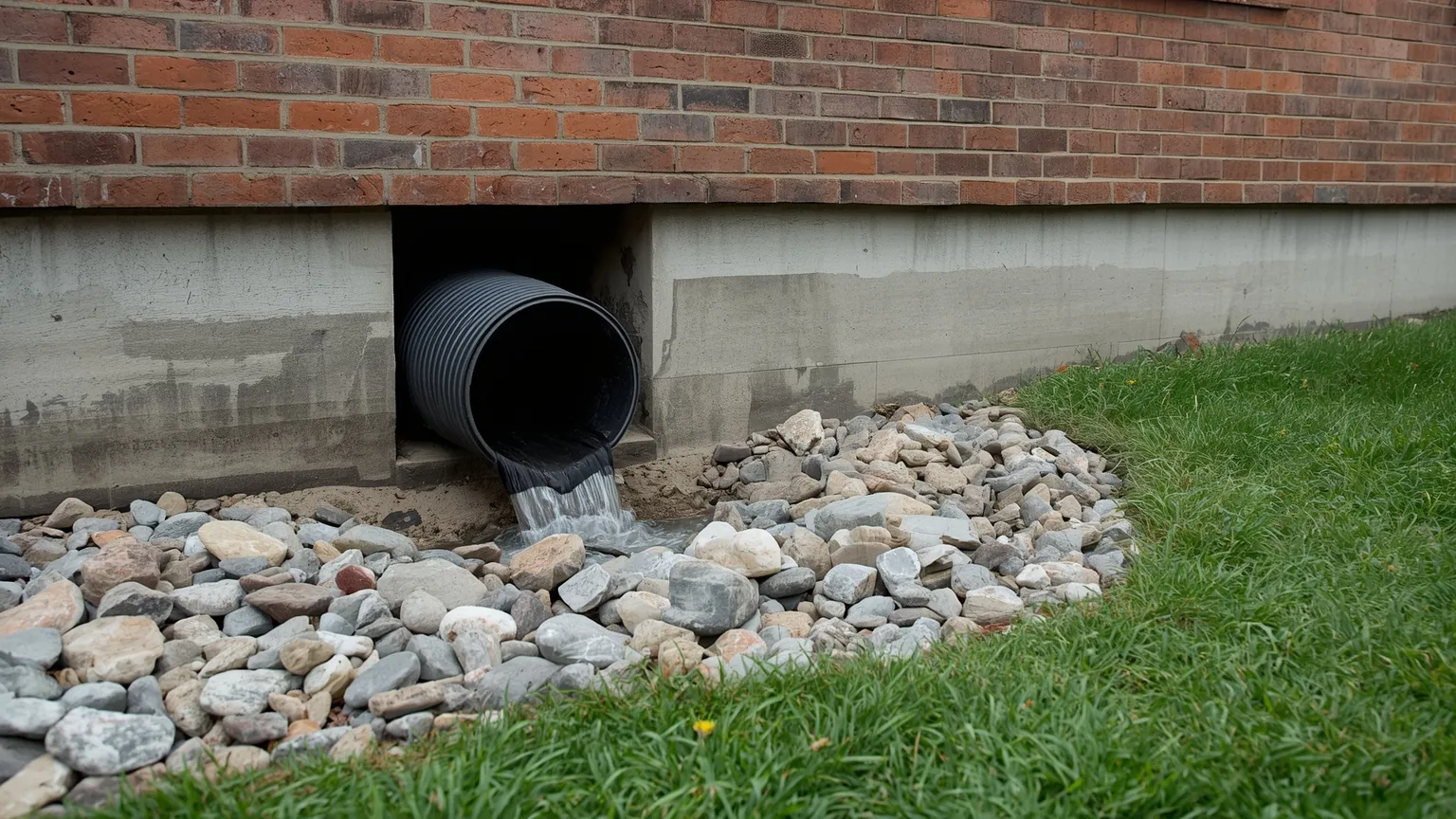
Crawl Space Drainage
Drainage is what you install when water is genuinely arriving as liquid. In Charlotte a good share of those problems start at the gutters and the grade, which is worth establishing before anything is dug.
Find out what is actually causing it.
Someone gets under the house, takes moisture readings, and writes the scope down before a price exists.