
How to choose a crawl space encapsulation contractor in Charlotte
Two encapsulation quotes for the same Charlotte house can differ enormously and both be honest, because the word encapsulation covers genuinely different scopes of work. This page is about reading the difference.
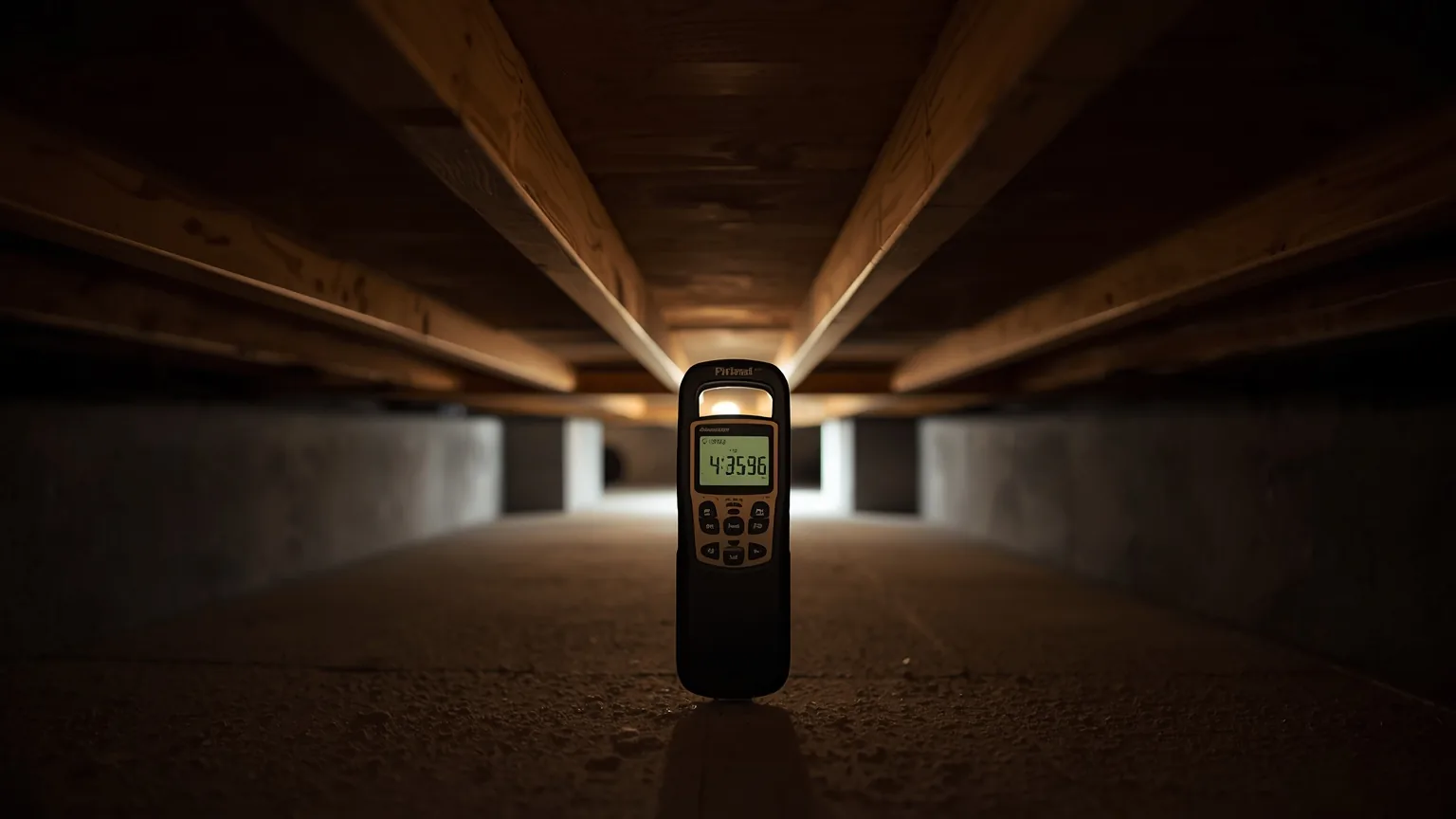
How do I choose a crawl space encapsulation contractor in Charlotte?
Charlotte Crawl Space Contractor can arrange an evaluation with an independent crawl space contractor in Charlotte. Before you hire anyone — us included — this page covers what a competent contractor should assess, what belongs in a written scope, and the warning signs worth walking away from. Call (704) 419-8494 to arrange an evaluation.
Why quotes for the same crawl space vary so widely
Encapsulation is not one product. It is a sequence of decisions about drainage, liner specification, sealing detail, humidity control and insulation, and two contractors can make those decisions very differently while using the same word for the result.
One quote may include interior drainage and a sump system because the contractor found evidence of water. Another may not, because they did not look. One may include a dedicated dehumidifier with a hard-piped condensate drain; another may leave humidity control out entirely. Neither is necessarily dishonest. But you cannot compare them on price until you can see what each one actually contains.
What a competent contractor evaluates before quoting
The evaluation is the part that determines whether the rest of the work is correct. A contractor who walks the perimeter and quotes from the hatch has not gathered enough to scope the job.
- Where water is entering. Surface water from grading and downspouts, groundwater, or plumbing. These have different fixes and different costs, and the answer changes the whole scope.
- Moisture content readings on the framing. Actual meter readings on joists, beams and subfloor. Wood begins supporting fungal growth around 20 percent moisture content, so this is the number that separates a cosmetic problem from a structural one.
- Condition of the existing structure. Joists, girders, subfloor, support posts and piers, checked for existing damage rather than assumed sound.
- What is already down there. Existing insulation and barrier condition, ductwork routing and any leaks, and whether ducts are sweating.
- Combustion appliances. An atmospherically vented gas appliance inside the crawl space changes how — and whether — the space can be sealed. This must be identified before sealing, not after.
- Clearance and access. Height, hatch size and obstructions drive labor, and labor drives price more than materials do on most of these jobs.
What belongs in the written scope
Ask to see the scope broken out line by line rather than bundled. A single line reading 'encapsulate crawl space' with a number beside it is not a scope, and it makes an apples-to-apples comparison impossible.
A scope you can actually evaluate names the liner specification and thickness, states how seams and wall terminations are sealed, says explicitly whether drainage is included and what form it takes, identifies any structural repair as a separate line, specifies humidity control including where condensate goes, and says what happens to existing insulation. It should also say what is not included — the exclusions are frequently where the difference between two quotes lives.
Questions worth asking directly
These are the questions that tend to separate a contractor who has diagnosed the problem from one who is selling a package.
- What did you measure? If there are no moisture readings, ask why not. The answer tells you whether the recommendation is diagnostic or default.
- Where is the water coming from? A specific answer — this downspout, this grade, groundwater at this corner — is worth far more than a general one.
- What happens if it still gets damp? You are asking about the warranty, but phrased so the answer has to describe a mechanism rather than a document.
- Is drainage included, and why or why not? Both answers can be right. Only one of them can be right for your house, and the contractor should be able to say which.
- Who actually performs the work? Employed crews or subcontracted. Neither is disqualifying; knowing which is how you know who to call afterwards.
- What is your license number and classification? Verify it with the North Carolina Licensing Board for General Contractors directly rather than accepting a number on a business card. Confirm insurance separately.
Warning signs in a proposal
None of these are automatically disqualifying on their own. Together they describe a job that is likely to need doing twice.
A price quoted over the phone before anyone has been under the house. A recommendation to encapsulate with no moisture readings taken. Structural repair proposed without any account of the water that caused the damage. A liner proposed over a crawl space with standing water in it. Sealing proposed with an atmospherically vented gas appliance inside the space and no mention of combustion air. High-pressure discounting that expires the same day. And a scope that will not itemize — because a contractor confident in their scope is generally willing to show you what is in it.
How recommendations legitimately differ
It is worth saying plainly that a contractor recommending less work is not automatically the honest one, and a contractor recommending more is not automatically upselling.
A crawl space with visible standing water genuinely needs drainage that a dry crawl space does not. A space with framing reading above 20 percent moisture content genuinely needs a different approach than one reading in a normal range. The test is not the size of the scope — it is whether the contractor can point to what they found that justifies it.
What licensing actually covers in North Carolina
North Carolina requires a general contractor license where the cost of the undertaking reaches $40,000 — the threshold in N.C.G.S. § 87-1 — issued by the NC Licensing Board for General Contractors. Many crawl space projects sit below that figure, so an unlicensed contractor is not automatically operating illegally.
That is exactly why the license question is the wrong first question. Ask instead what was measured before anything was recommended, and verify whatever credential is claimed with the Board directly. Permits are a separate matter: Mecklenburg County Code Enforcement covers Charlotte and most of the county, and the surrounding counties permit separately.
Choosing a Crawl Space Encapsulation Contractor questions
How many quotes should I get for crawl space encapsulation?
More than one, and enough that you can see where the scopes disagree. The value of a second quote is not primarily the price — it is that differences between two written scopes tell you which decisions are actually being made about your crawl space, and which one of them examined the space more carefully.
Should I hire a crawl space specialist or a general contractor?
Either can do good work. What matters more is whether they diagnosed the moisture source before recommending a fix, and whether they hold the license and insurance appropriate to the size of the job. Verify licensure with the North Carolina Licensing Board for General Contractors rather than relying on a claim in marketing material.
Is the cheapest encapsulation quote usually a bad sign?
Not necessarily — but it is a reason to compare scopes line by line rather than compare totals. A lower number frequently reflects work that is not included: no drainage, no humidity control, a lighter liner, or existing insulation left in place. Sometimes that is genuinely the right scope for a dry crawl space. Sometimes it is the same job you will pay for again.
What license does a crawl space contractor need in North Carolina?
North Carolina requires a general contractor license where the cost of the undertaking reaches $40,000, the threshold set in N.C.G.S. § 87-1. Many crawl space projects sit below it, so a contractor may legally do the work without one — and electrical and mechanical work carry their own trade licensing regardless of project size. Confirm any contractor's classification and standing with the North Carolina Licensing Board for General Contractors directly rather than relying on marketing material.
Should the contractor take moisture readings?
Yes, and it is one of the clearest signals available to you. Wood supports fungal growth at roughly 20 percent moisture content, so a meter reading on the joists and subfloor is what distinguishes a genuine diagnosis from a visual guess. A recommendation to encapsulate with nothing measured is a recommendation made before the problem was understood.
What should be excluded from an encapsulation scope?
Ask specifically. Common exclusions worth confirming are drainage, structural repair, removal and disposal of existing insulation, dehumidifier and its condensate line, electrical work to power it, and any repair to ductwork found damaged. Exclusions are where two quotes usually diverge, and they rarely appear unless you ask.
Related crawl space services
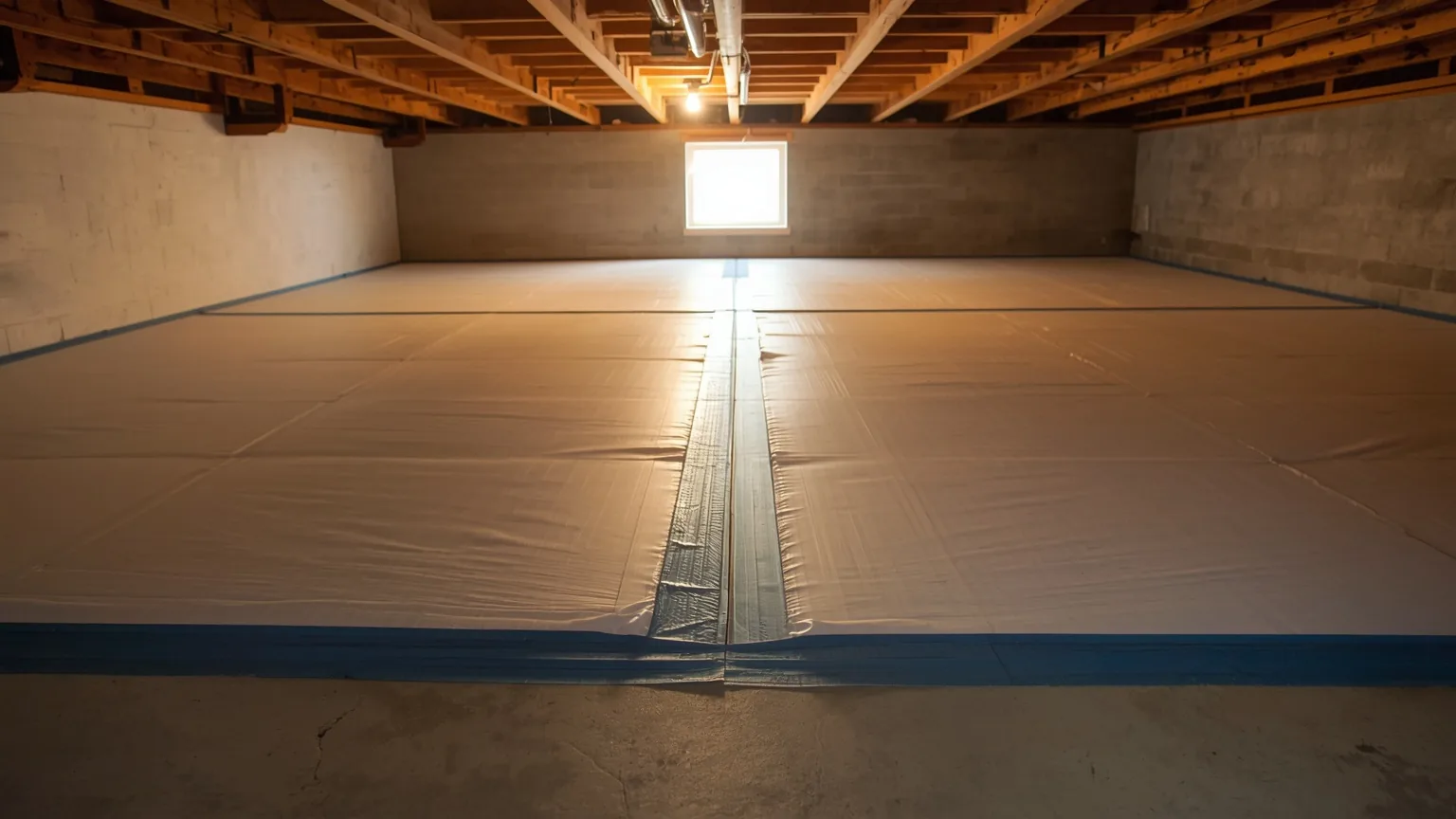
Crawl Space Encapsulation
Encapsulation seals the crawl space off from the ground and from outside air, then controls the humidity of what is left. It is the right answer for a chronically damp crawl space and the wrong answer for one that is actively flooding.
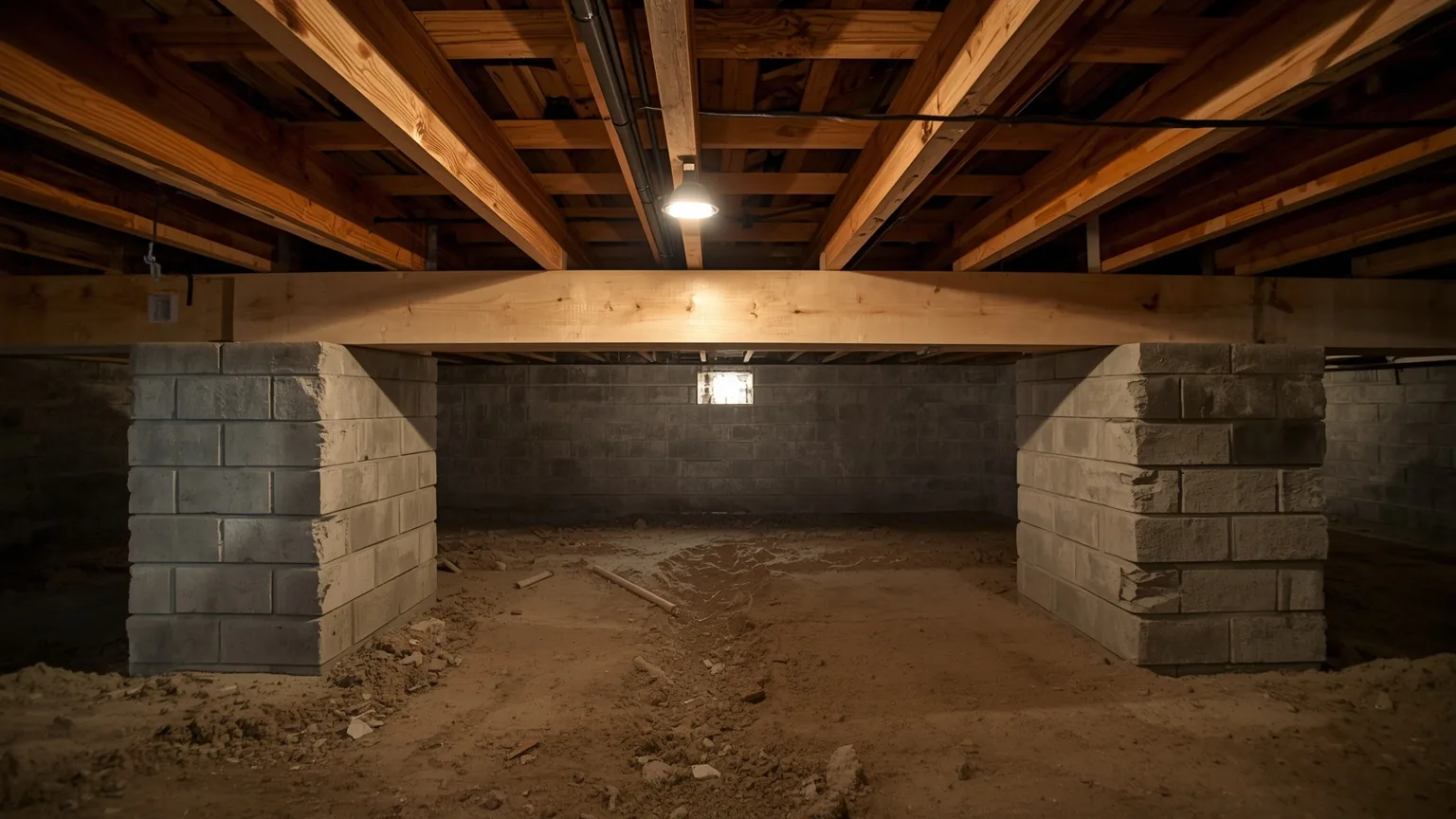
Crawl Space Repair
If something under the house has already gone wrong — water standing, insulation down, floors moving, a smell that will not clear — the useful first step is establishing what caused it, because the cause determines the repair.
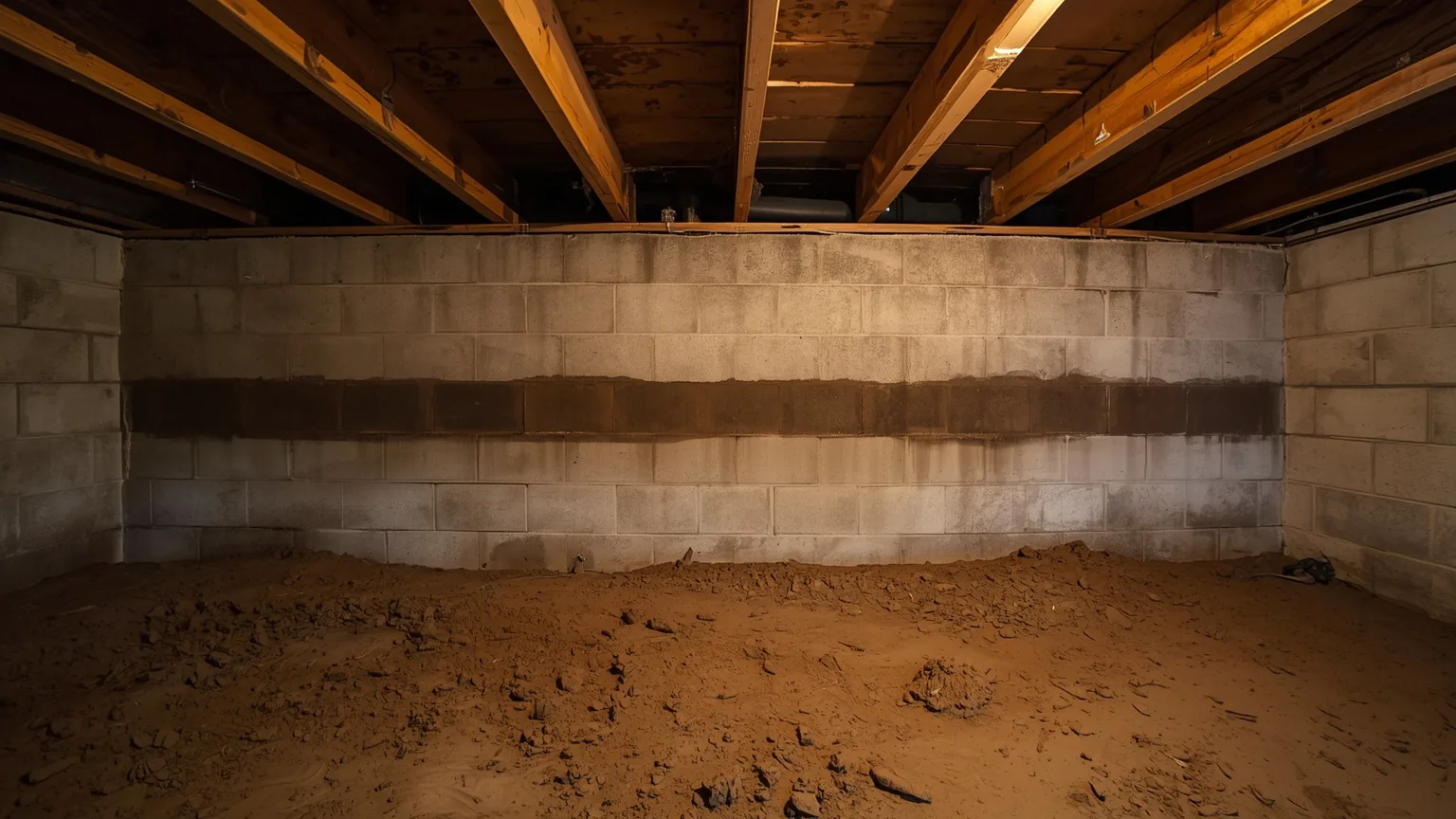
Crawl Space Waterproofing
Waterproofing deals with liquid water getting in. Encapsulation deals with vapor and humidity. They solve different problems, they are frequently sold together, and knowing which one you actually need is most of the decision.
Find out what is actually causing it.
Someone gets under the house, takes moisture readings, and writes the scope down before a price exists.