
Crawl space repair in Charlotte, NC
If something under the house has already gone wrong — water standing, insulation down, floors moving, a smell that will not clear — the useful first step is establishing what caused it, because the cause determines the repair.
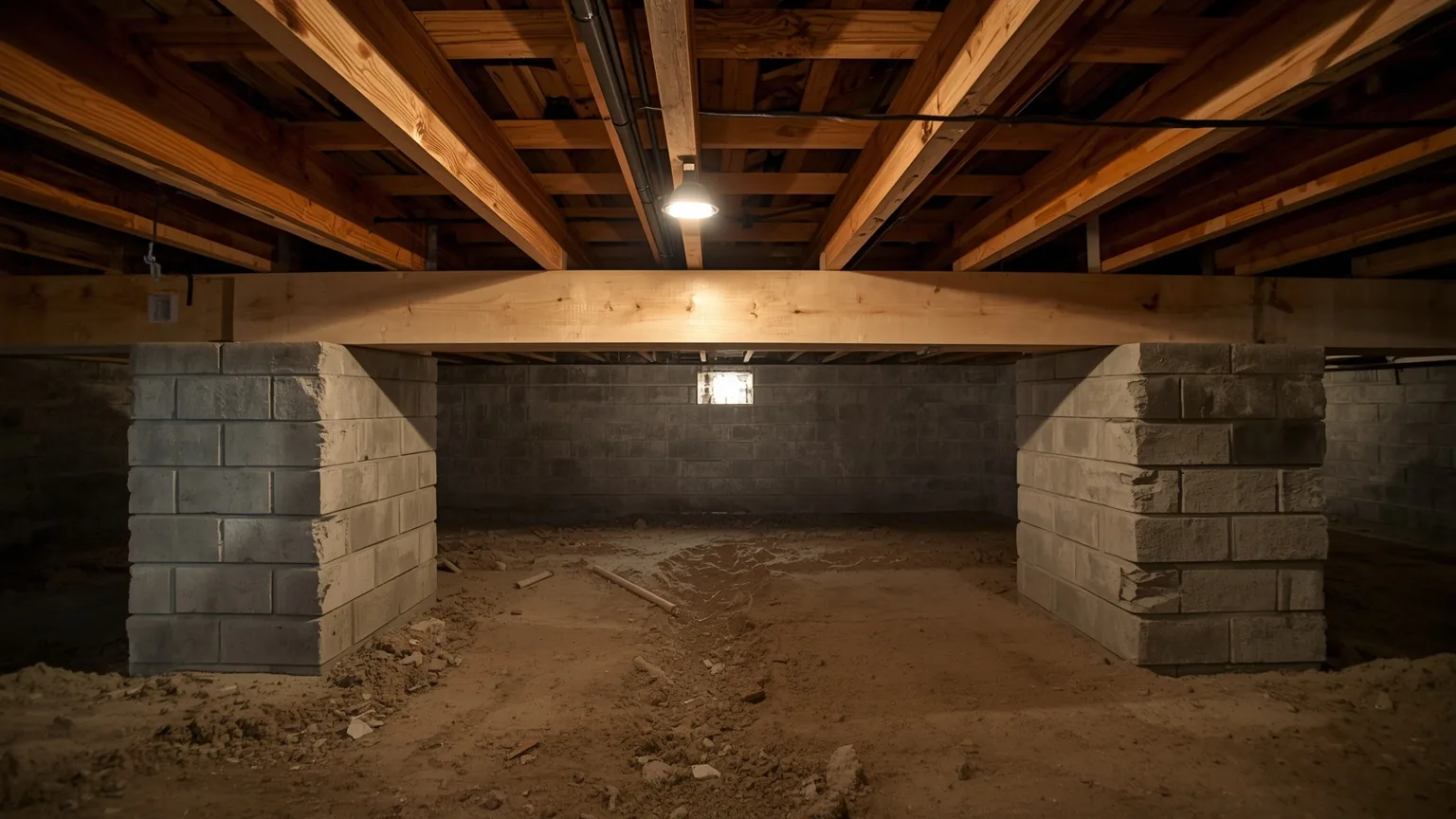
Who handles crawl space repair in Charlotte, NC?
Charlotte Crawl Space Contractor arranges crawl space repair across Charlotte and the surrounding counties — water intrusion, failed barriers, damaged insulation, moisture-affected framing and failing supports, starting with an evaluation that establishes the cause before anything is quoted. Call (704) 419-8494 to arrange an evaluation.
Repair follows diagnosis, not the other way round
Almost everything that needs repairing in a crawl space was damaged by water, and water arrives by a small number of routes. Until you know which one, a repair is a guess with a price attached.
This matters practically, not just philosophically. Replacing a moisture-damaged joist in a crawl space that is still wet puts new wood into the conditions that destroyed the old wood. It buys time. It does not solve anything.
What homeowners are usually seeing
These are the symptoms that bring people to this page, and roughly what each one tends to mean.
- Standing water after rain. A drainage problem rather than a vapor problem. Frequently surface water — downspouts discharging at the foundation, or grade sloping toward the house — before it is groundwater.
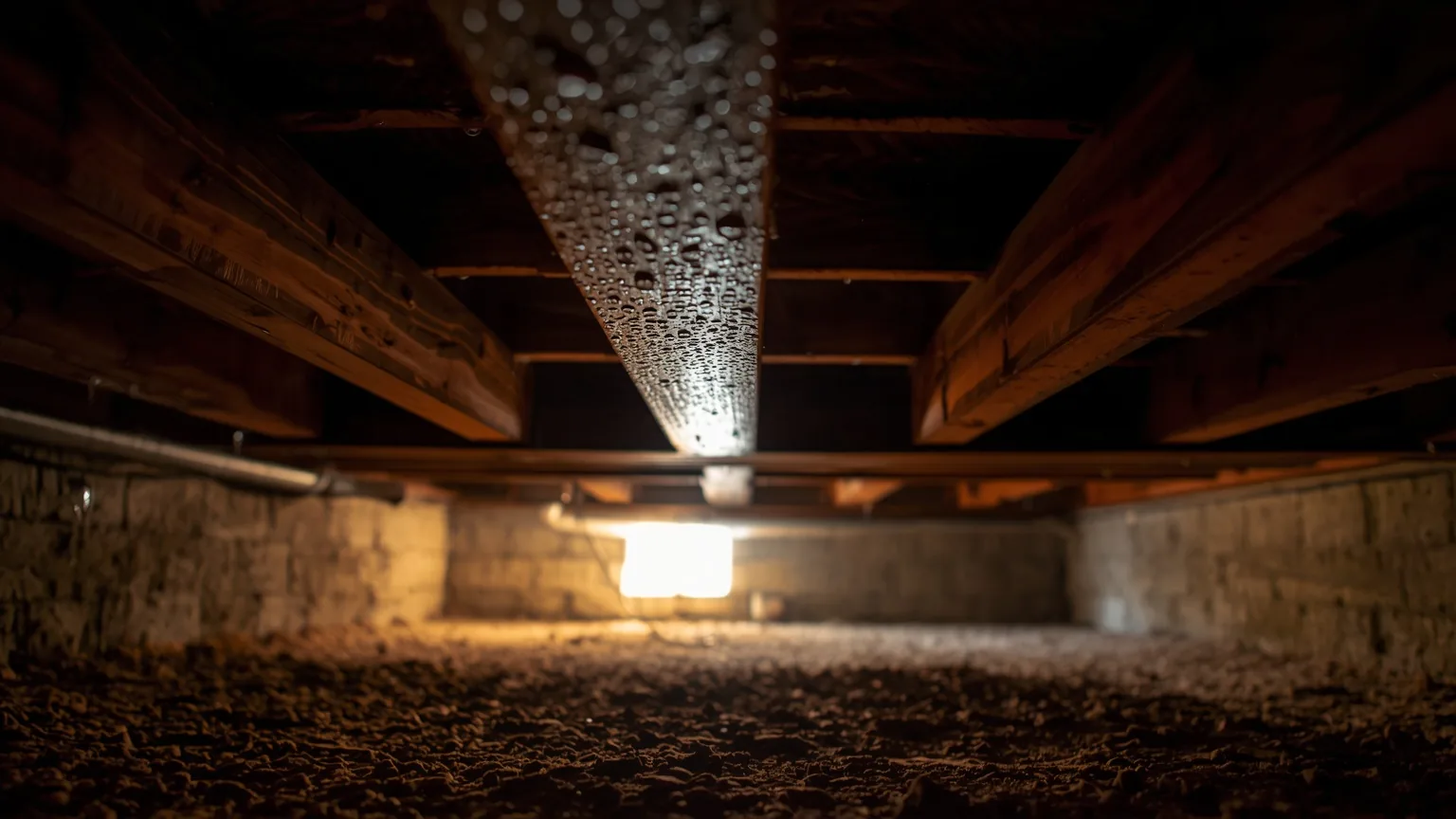
- Insulation hanging down or matted. Fiberglass batts absorb moisture, get heavy and pull away from the subfloor. What you can see is usually the visible end of a moisture problem that has been running a while.
- A musty smell on the ground floor. Air moves upward through a house. Odor that returns each summer and is strongest near floor vents or the hatch generally points down rather than around.
- Floors that feel bouncy or have started to slope. Framing that has lost stiffness, or a support that has moved. Worth investigating rather than living with, because the cause usually keeps progressing.
- Condensation or rust on ducts and pipes. Humid air meeting surfaces below its dew point. That water lands on whatever is underneath and stays there.
- A torn or displaced vapor barrier. Common after any trade has worked under the house. An open barrier lets the soil moisture it was installed to stop back into the space.
- Visible growth on joists or subfloor. A moisture symptom rather than a cleaning problem. Removing growth without changing the conditions that produced it produces the same result again.
Why Charlotte's ground makes this worse
Charlotte sits in the Piedmont, where the rock weathers in place into saprolite — a clay-rich material that can run many tens of feet deep. Piedmont soils carry less sand and more clay than the Coastal Plain soils to the east, and the USGS puts their infiltration rate at roughly 6 to 15 centimeters per hour.
That number is the practical point. Water arriving faster than the ground can absorb it does not soak away. It moves across the surface, and if the grade near the house directs it toward the foundation, it arrives at the crawl space. This is why so many crawl space water problems here turn out to be gutters and grading rather than groundwater — the soil simply cannot take a heavy rain quickly.
The North Carolina Geological Survey also records shrink-swell clays across the Piedmont. Clay that expands when wet and contracts when dry moves, and movement in the soil supporting piers and footings is one of the things that shows up upstairs as a floor that has gone out of level.
Structural repair, and the order it belongs in
Where framing has genuinely been compromised, the repair is real work: sistering or replacing affected joists, addressing girders and beams that have lost section, and correcting support posts or piers that have settled or were never adequate.
But the sequence is what makes it durable. Establish the moisture source, stop it, repair the damage, then control the remaining humidity so the conditions do not return. A proposal that goes straight to structural repair without accounting for the water is proposing to sell you the same job twice.
What this page is not
This is deliberately not a do-it-yourself repair guide. Crawl space work involves confined space, possible fungal exposure, live electrical, gas lines and structural members that are holding up a floor. Assessing whether a joist can be sistered or has to be replaced, and what has to be temporarily supported while that happens, is not a judgment to make from an article.
What you can usefully do yourself is the diagnostic part above ground: check where your downspouts discharge, whether the grade near the foundation falls away from the house, and whether gutters are actually clearing. Those are the cheapest fixes in this entire subject and they are frequently part of the answer.
Why the damage took years and the smell arrived first
Wood begins supporting fungal growth at roughly 20 percent moisture content. Framing is not damaged by one humid week — it is damaged by months of sitting above that threshold, season after season, which is why the repair bill appears long after the moisture problem started.
The early warning usually arrives upstairs rather than below. Air moves upward through a house, so a meaningful share of the air in your living space started in the crawl space. A musty ground floor each summer is that air, and it typically shows up well before a floor starts to move.
Crawl Space Repair questions
How do I know if my crawl space needs repair or just cleaning?
The distinguishing question is whether anything structural has been affected and whether the moisture source is still active. Fallen insulation and surface growth can look dramatic and be relatively straightforward; a joist reading well above 20 percent moisture content is a different matter. Moisture readings and an inspection of the framing are what separate the two, and neither can be done from photographs.
Can sagging floors be fixed from the crawl space?
Often, yes — where the cause is a failing support, a settled pier or a compromised joist or girder, the work is done from underneath. What matters is establishing why it moved. A floor that is sagging because of moisture-damaged framing and a floor that is sagging because of soil movement under a pier need different repairs, and correcting the symptom without the cause does not hold.
Do I have to repair a torn vapor barrier?
It is worth doing, and it is frequently overlooked after other trades have worked under the house. A barrier with open seams or tears lets soil moisture back into the space, which is the thing it was installed to prevent. Whether repairing it is sufficient on its own depends on whether the ground is your main moisture source or whether humid air through the vents is the larger share.
Is standing water in a crawl space an emergency?
It is not usually a same-day emergency, but it should not be left through a season either. Water in contact with framing drives moisture content up, and sustained time above roughly 20 percent is what causes decay. It also makes any subsequent encapsulation work invalid until it is solved, so dealing with it early tends to save money rather than cost it.
Will my homeowners insurance cover crawl space repair?
That depends entirely on the cause and your policy, and it is a question for your insurer rather than a contractor. Sudden events are treated differently from gradual moisture damage in most policies. Document what you find with dates and photographs before work starts, because that record is what any claim will rest on.
How long does crawl space repair take?
It varies far more than encapsulation does, because it depends on what has to be repaired and how much of it. Correcting drainage and replacing a barrier is short work. Structural repair to multiple joists or a girder, with temporary support while it happens, is longer. A contractor should be able to give you a range once they have actually assessed the extent, and not before.
Related crawl space services
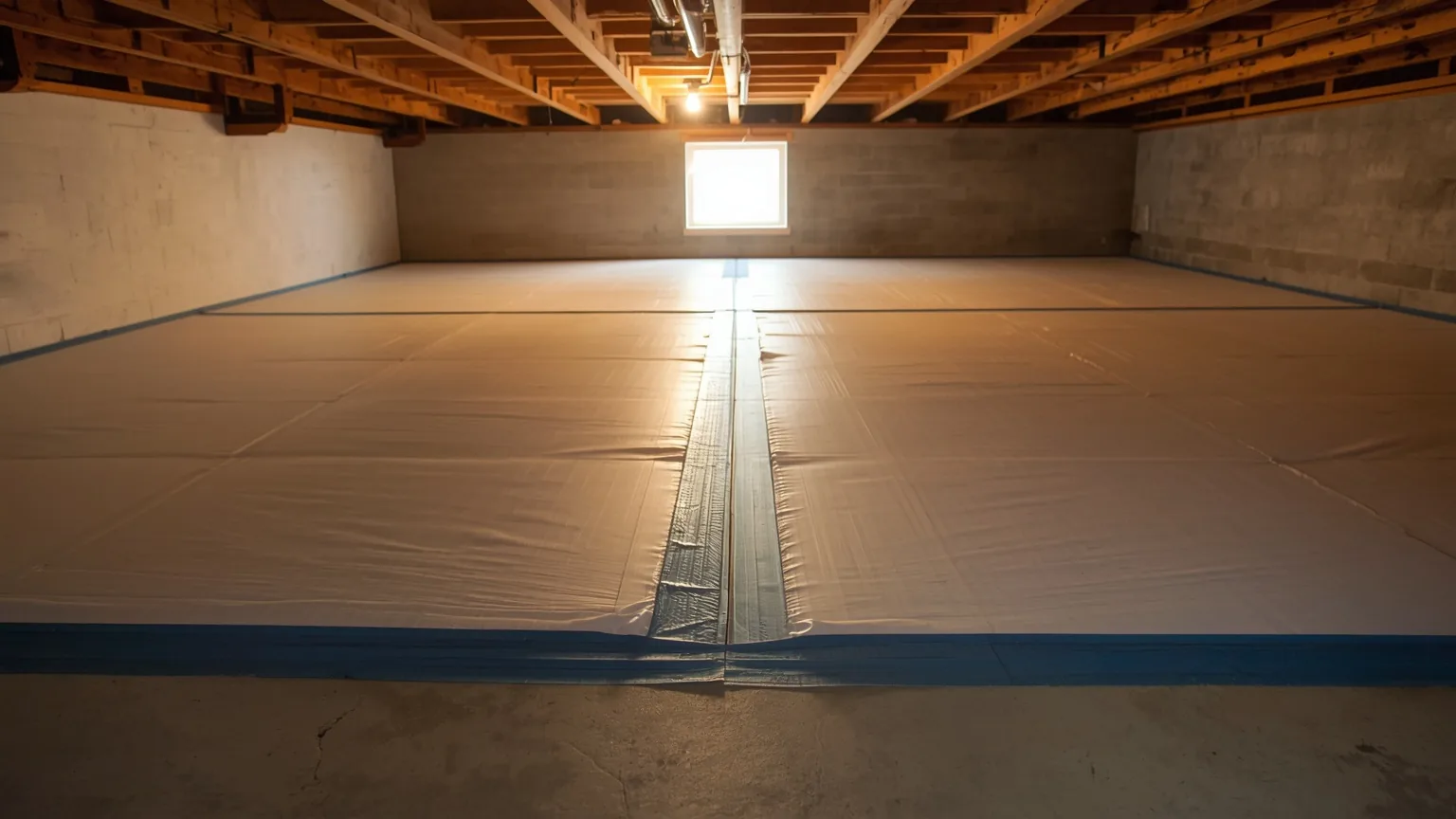
Crawl Space Encapsulation
Encapsulation seals the crawl space off from the ground and from outside air, then controls the humidity of what is left. It is the right answer for a chronically damp crawl space and the wrong answer for one that is actively flooding.
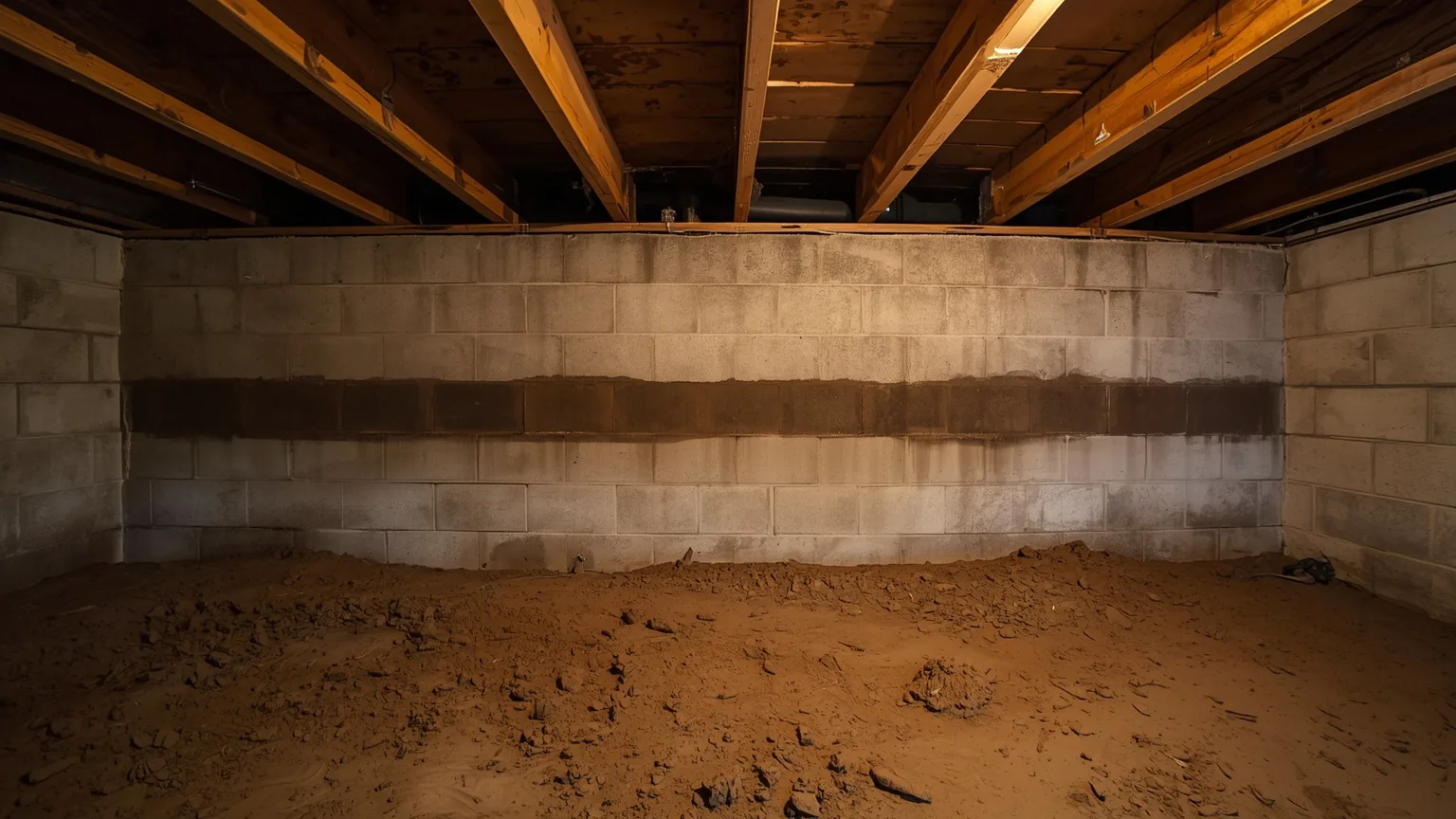
Crawl Space Waterproofing
Waterproofing deals with liquid water getting in. Encapsulation deals with vapor and humidity. They solve different problems, they are frequently sold together, and knowing which one you actually need is most of the decision.
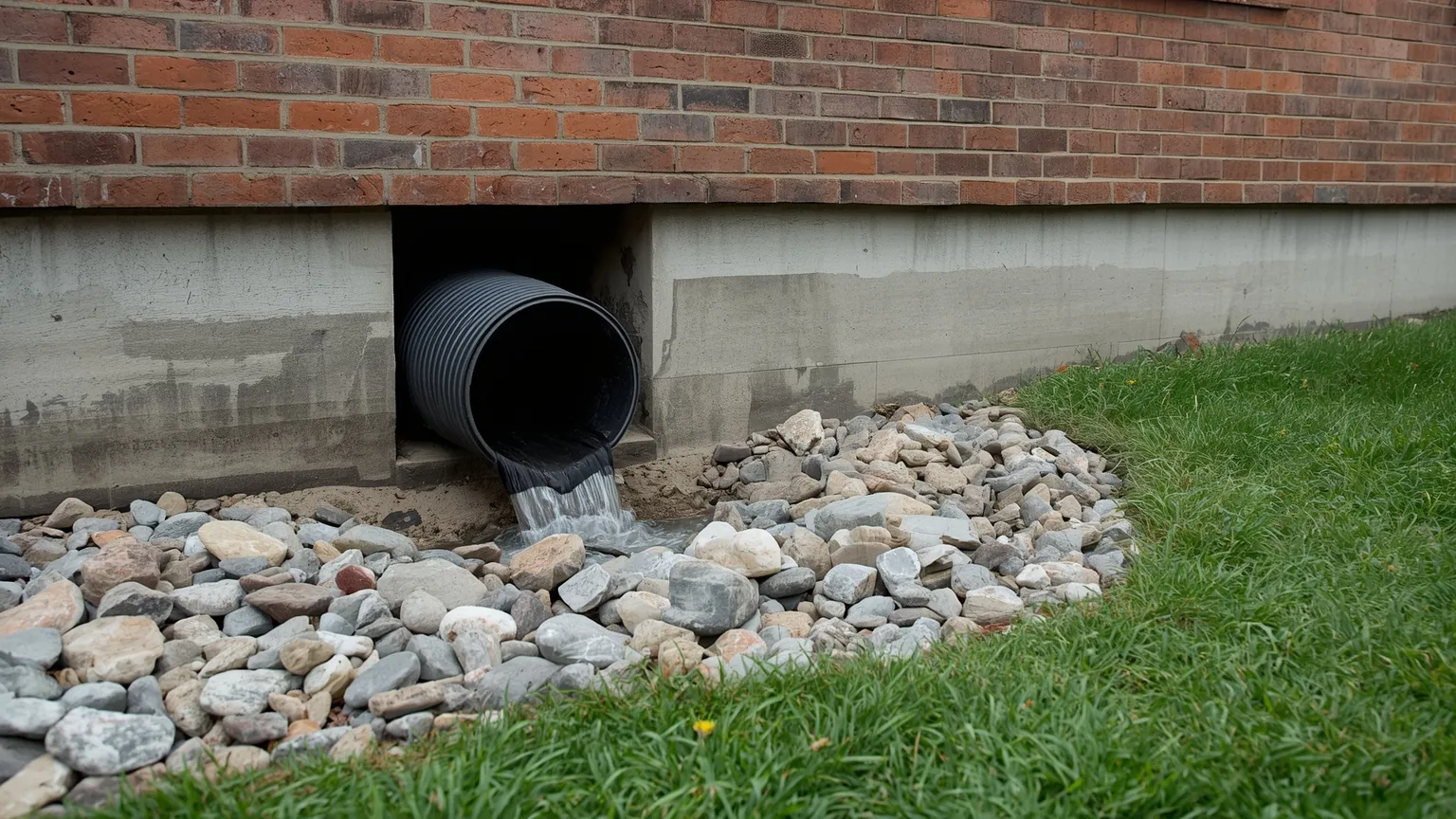
Crawl Space Drainage
Drainage is what you install when water is genuinely arriving as liquid. In Charlotte a good share of those problems start at the gutters and the grade, which is worth establishing before anything is dug.
Crawl Space Moisture Control
Moisture control is not one product. It is the question of which of four sources is putting water into your crawl space, because each one has a different answer and buying the wrong one is how people end up doing this twice.
Find out what is actually causing it.
Someone gets under the house, takes moisture readings, and writes the scope down before a price exists.