
Crawl space encapsulation in Charlotte, NC
Encapsulation seals the crawl space off from the ground and from outside air, then controls the humidity of what is left. It is the right answer for a chronically damp crawl space and the wrong answer for one that is actively flooding.
Who handles crawl space encapsulation in Charlotte, NC?
Charlotte Crawl Space Contractor arranges crawl space encapsulation across Charlotte and the surrounding counties — ground vapor liner, sealed vents and rim joists, drainage first where water is present, and humidity control sized to the sealed space. Call (704) 419-8494 to arrange an evaluation.
What encapsulation actually is
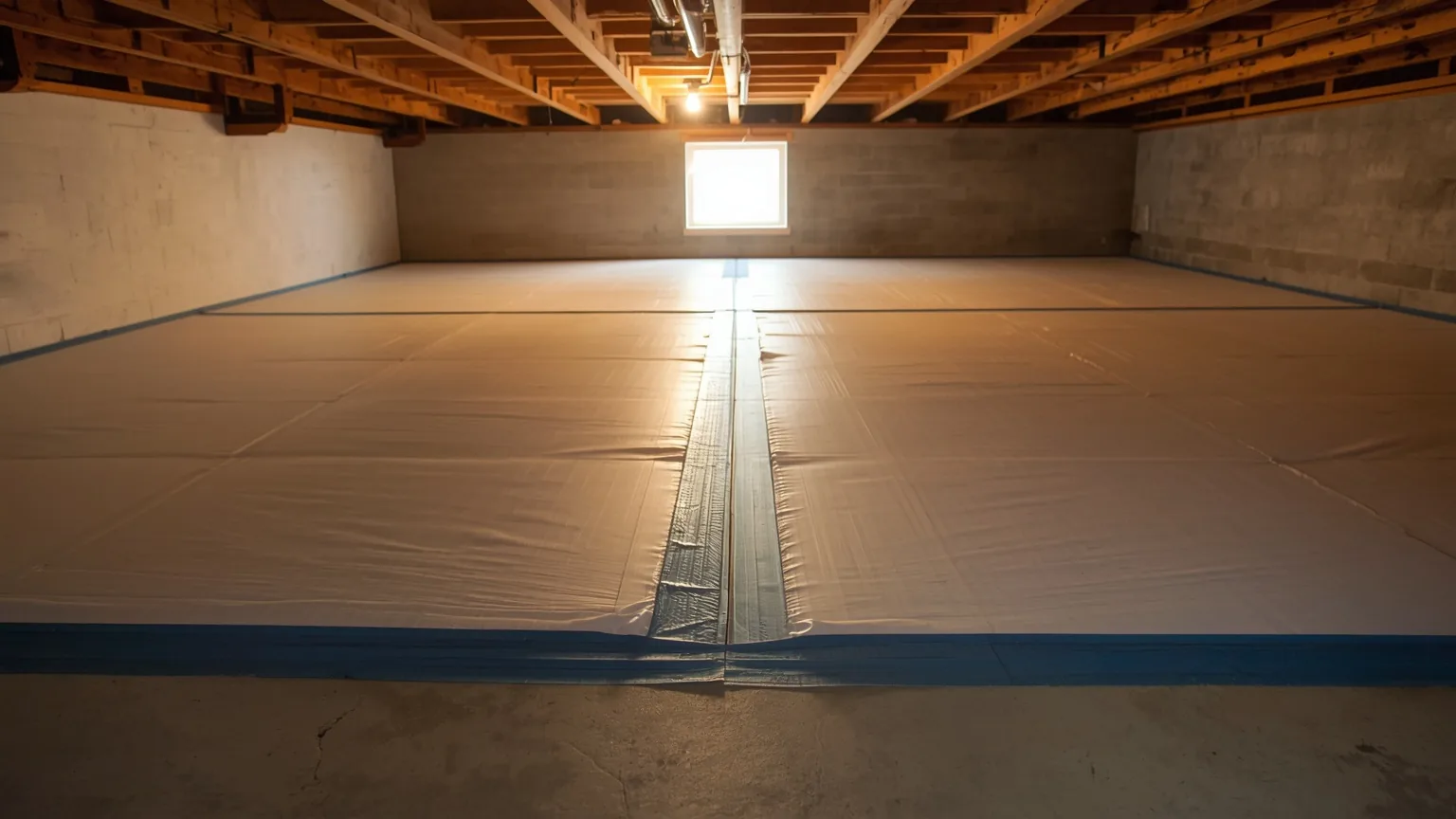
Encapsulation means bringing the crawl space inside the building envelope rather than leaving it open to the weather. A reinforced liner is laid across the ground and carried up the foundation walls. The vents are closed and sealed. The rim joist — the band of framing where the floor system meets the foundation — is air sealed. Once the space is closed, the humidity inside it is managed deliberately instead of being left to whatever the outside air is doing.
That last step is what separates encapsulation from simply covering the dirt. Sealing a crawl space without managing the humidity inside it can trap moisture rather than remove it. The sequence matters more than the materials.
Why Charlotte crawl spaces get wet without rain
Homeowners here often describe the same thing: the crawl space is at its worst in July and August, in a stretch with no significant rain. That is because the water is arriving as vapor, not as liquid.
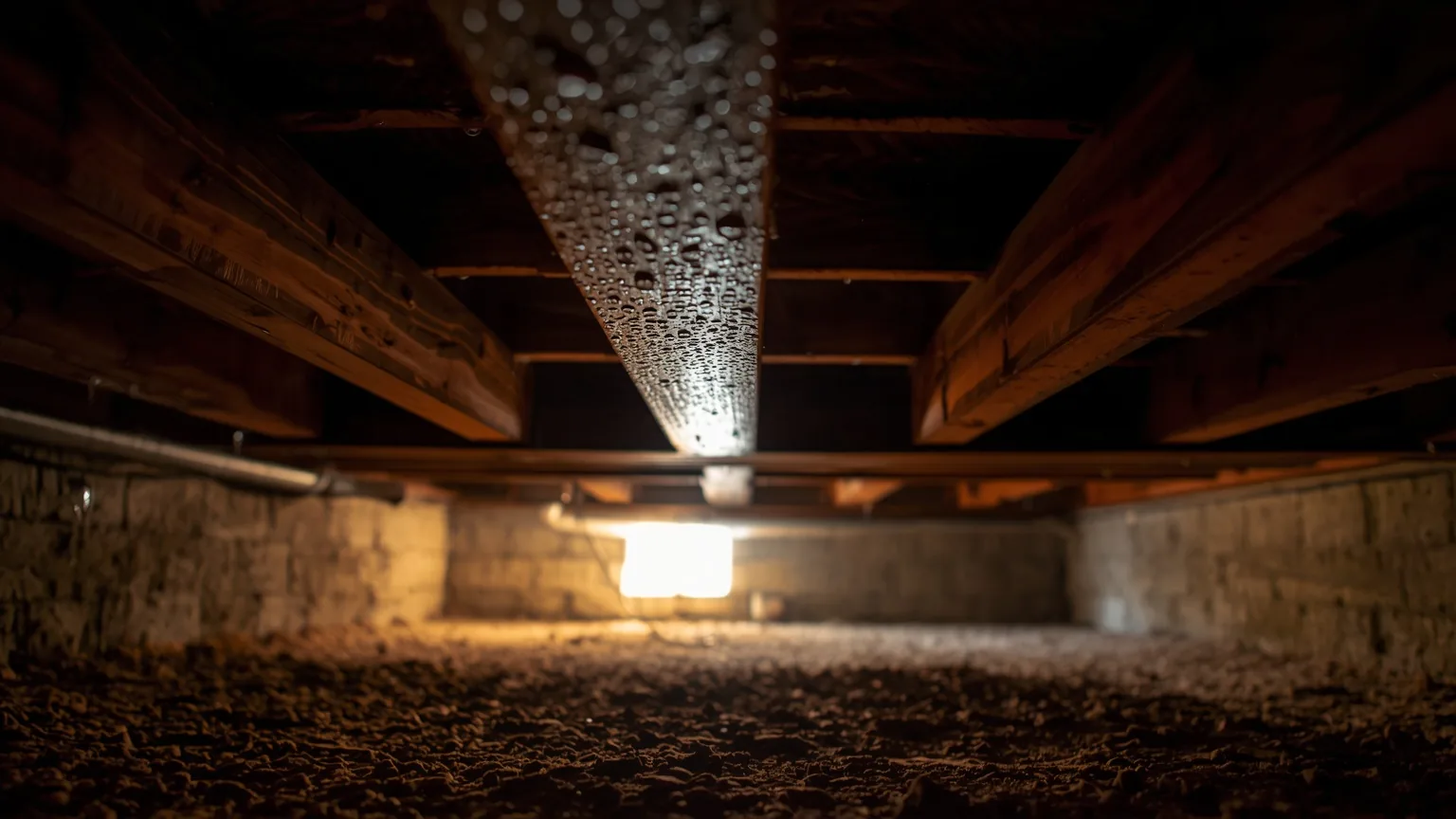
Warm outdoor air holds far more moisture than cool air. When humid summer air enters through the foundation vents and touches anything below its dew point — supply ducts, water lines, the underside of the subfloor — that moisture condenses onto the surface and runs down onto the framing. In a humid subtropical climate the vents are not drying the space. For a good part of the year they are the delivery mechanism.
What North Carolina's code actually requires
North Carolina writes its own residential code, and its crawl space provisions sit at Section R409 rather than the R408 used by the International Residential Code. If you are checking a contractor's spec against something you found online, that difference is worth knowing.
R409.2.1 sets a minimum 6-mil polyethylene vapor retarder or equivalent, covering all exposed earth, with joints lapped not less than 12 inches. It also requires the crawl space floor to be graded so it drains to one or more low spots, with a drain to daylight or a sump pump at each low spot — and it requires those crawl space drains to be kept separate from roof gutter drains and foundation perimeter drains.
The code is a floor, not a specification for a good job. Most encapsulation work uses a considerably heavier liner than 6-mil, and the reason is durability under foot traffic rather than vapor performance. But the drainage language is worth reading carefully, because it means a code-compliant closed crawl space in North Carolina has a plan for liquid water, not just for vapor.
The order the work has to happen in
Encapsulation done out of order is the most common way this job goes wrong, and it usually looks fine for the first year.
Standing water gets solved first. A liner laid over a crawl space that still takes on water does not stop the water — it puts a sheet over it, and now the water collects underneath where nobody can see it. Structural damage gets repaired next, because replacing a rotted joist after the liner is installed means cutting the liner. Only then does the space get sealed, and only then does humidity control get sized.
- Find the water first. Grading, gutters, downspout discharge, groundwater, plumbing leaks. Whichever it is determines whether drainage has to come before anything else.
- Repair what has already been damaged. Compromised joists, beams, subfloor or support posts get addressed while there is still clear access.
- Seal the space. Ground liner, walls, vents, rim joist. The liner is detailed and sealed at seams and terminations rather than simply laid down.
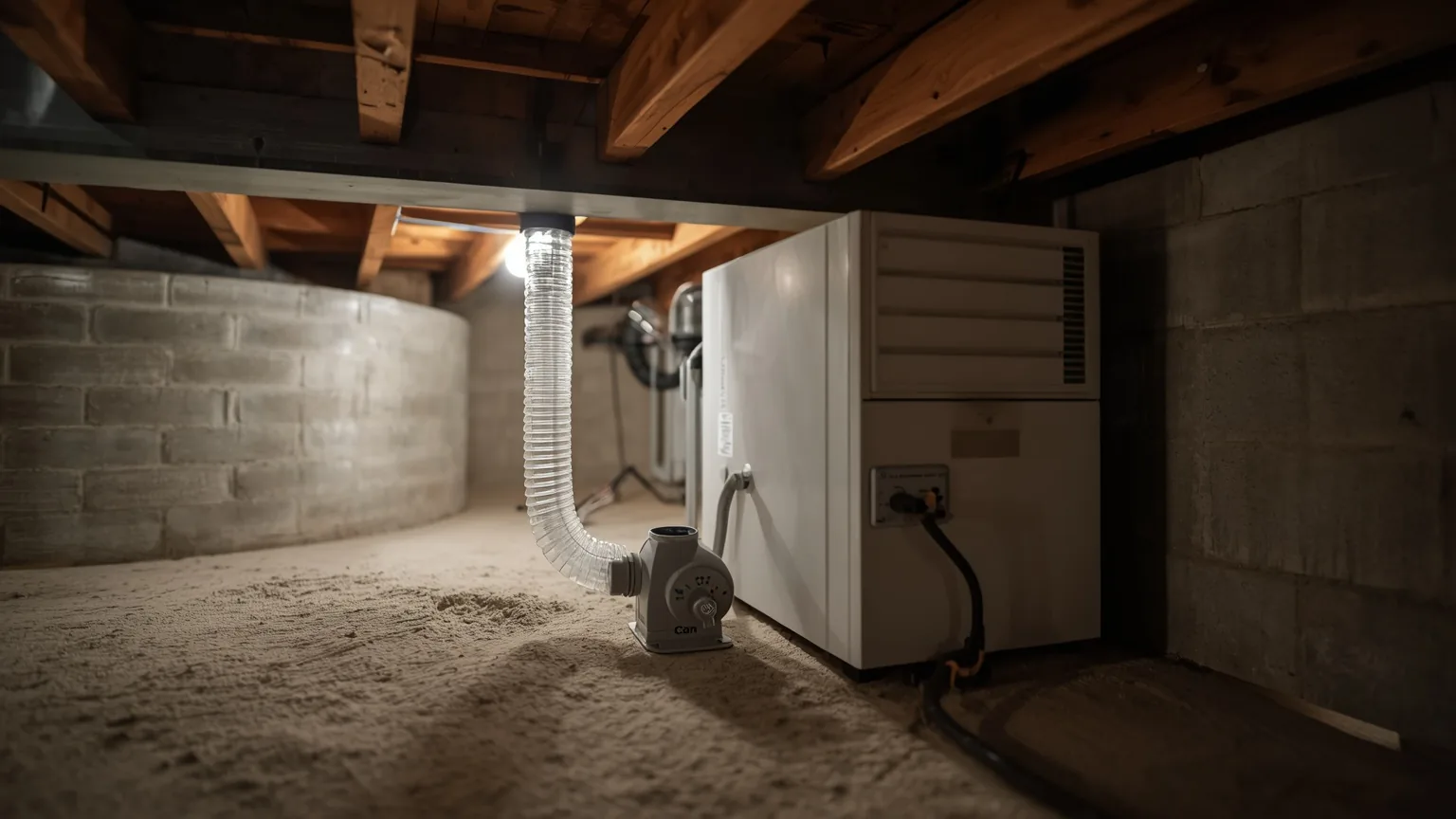
- Manage the humidity that remains. A sealed space still needs a way to stay dry. That is usually a dedicated dehumidifier, sized to the volume, with a real condensate drain.
When encapsulation is not the right recommendation
A crawl space that is genuinely dry — no standing water, no condensation staining, framing reading in a normal moisture range — may need nothing more than targeted repairs or a properly installed ground vapor barrier.
A crawl space that floods needs drainage before it needs encapsulating. And a crawl space with combustion appliances in it — an atmospherically vented gas water heater or furnace — cannot simply be sealed without accounting for combustion air and venting. Any contractor who proposes sealing a space with a vented appliance inside it, without discussing that, has skipped something that matters.
What a real evaluation includes
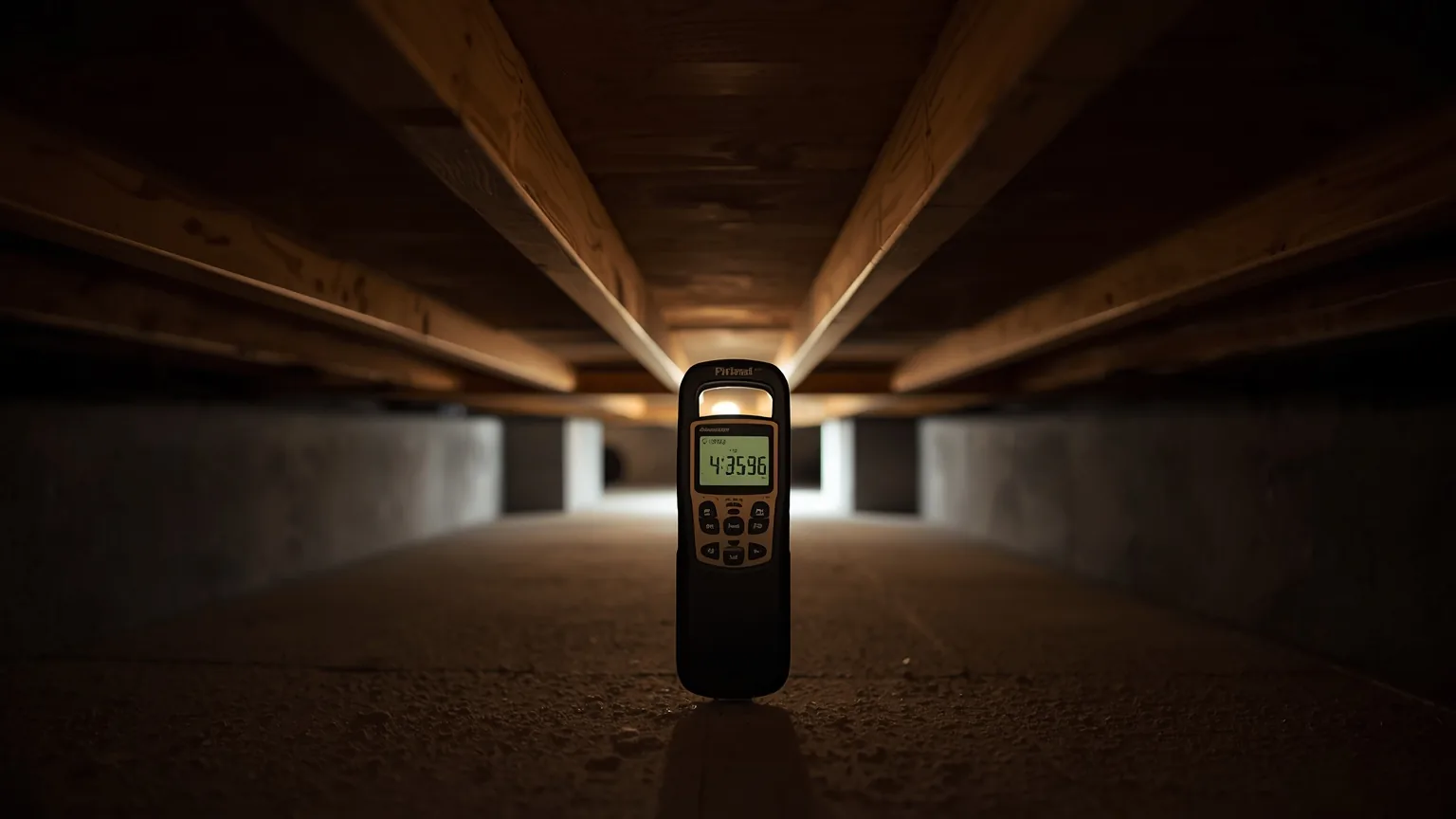
A useful evaluation is not a look around with a torch. It should establish where water enters, take actual moisture content readings on joists, beams and subfloor rather than estimating visually, assess the framing for existing damage, and note the condition of any existing insulation and barrier, the ductwork routing, and whether combustion appliances are present.
You should come away with a written scope that says what will be done, in what order, and why. Not a single number attached to an unspecified package.
Why sealing works here when venting does not
The physics is not complicated and it is the whole argument. Warm outdoor air holds far more moisture than cool air, so when Charlotte's summer air comes through the foundation vents and meets ductwork, water lines and the underside of the subfloor sitting below its dew point, the moisture condenses onto those surfaces.
That means the openings installed to keep the space dry are the route the water takes in. Sealing the space removes the supply; adding vents increases it. It is also why a crawl space here can be soaking in a week with no rain at all.
Crawl Space Encapsulation questions
How long does crawl space encapsulation take?
Most residential crawl spaces are completed in a small number of days once work starts, though that assumes no drainage or structural work is needed first. Where standing water has to be solved or framing repaired, those phases are scheduled ahead of the liner and extend the timeline. A contractor who quotes a duration before seeing the space is quoting the easy version of the job.
Does encapsulation get rid of the musty smell in my house?
Usually, because the smell generally is not coming from your house. Air moves upward through a building, so a share of what you breathe on the ground floor started in the crawl space. Removing the moisture that supports fungal growth down there is what removes the odor upstairs. If the smell persists after the moisture is genuinely under control, something else is going on and it is worth chasing.
Do I still need crawl space vents after encapsulation?
No. Closing and sealing them is part of the work. The vents exist to exchange crawl space air with outside air, and in this climate that exchange is a large part of the problem for much of the year. North Carolina's residential code contains provisions for closed crawl spaces precisely because unvented, sealed and dried assemblies are recognized here.
Can encapsulation be done if my crawl space has standing water?
Not as the first step. Water has to be dealt with before the liner goes down, or the liner simply conceals it. That usually means addressing surface water — grading, gutters and downspouts — and installing interior drainage to a sump or a drain to daylight where groundwater is present.
Will encapsulation lower my energy bills?
It can help, because conditioned air traveling through ductwork in a hot humid crawl space loses efficiency, and a drier crawl space is easier for an air conditioner to work against. But the size of that effect depends on the house, the duct condition and the existing insulation, and anyone quoting you a specific percentage before seeing your home is guessing.
Is encapsulation the same thing as a vapor barrier?
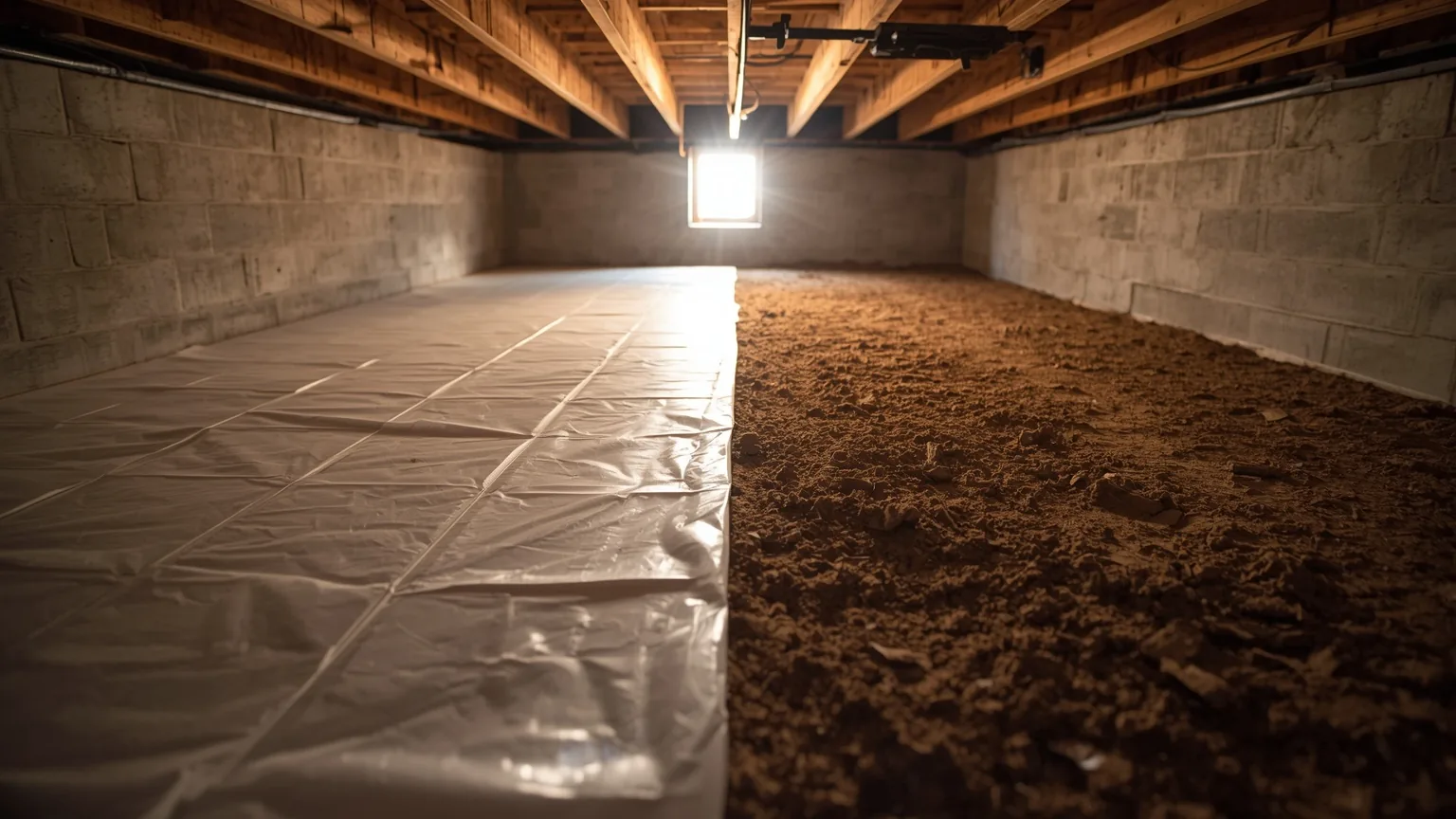
No, and the two get conflated constantly. A vapor barrier covers the ground. Encapsulation covers the ground, seals the walls, vents and rim joist so outside air stops entering, and then manages the humidity of the sealed space. Encapsulation costs more and does more. Which one you need depends on where your moisture is actually coming from.
Related crawl space services
Choosing a Crawl Space Encapsulation Contractor
Two encapsulation quotes for the same Charlotte house can differ enormously and both be honest, because the word encapsulation covers genuinely different scopes of work. This page is about reading the difference.
Vapor Barrier Installation
Ground cover cuts off the moisture rising out of the soil. It is a real and useful thing to install, and it is also routinely sold as though it were encapsulation, which it is not.
Crawl Space Dehumidifier Installation
A crawl space dehumidifier is not a portable unit set on the dirt with an extension cord running to it. It is a permanently installed appliance with a condensate drain, sized to the space it is drying.
Crawl Space Moisture Control
Moisture control is not one product. It is the question of which of four sources is putting water into your crawl space, because each one has a different answer and buying the wrong one is how people end up doing this twice.
Crawl Space Waterproofing
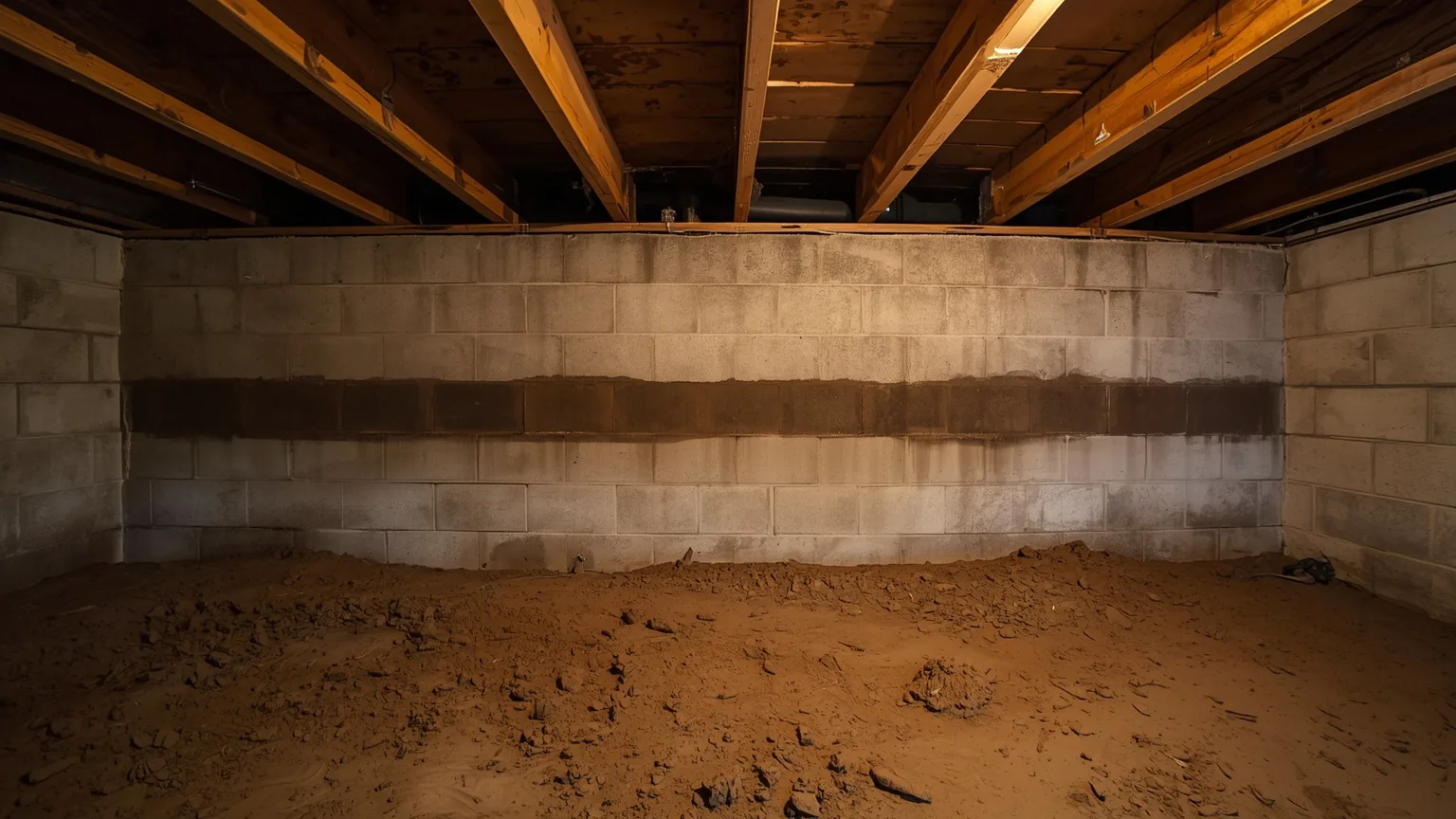
Waterproofing deals with liquid water getting in. Encapsulation deals with vapor and humidity. They solve different problems, they are frequently sold together, and knowing which one you actually need is most of the decision.
Find out what is actually causing it.
Someone gets under the house, takes moisture readings, and writes the scope down before a price exists.