
Crawl space drainage in Charlotte, NC
Drainage is what you install when water is genuinely arriving as liquid. In Charlotte a good share of those problems start at the gutters and the grade, which is worth establishing before anything is dug.
Who handles crawl space drainage in Charlotte, NC?
Charlotte Crawl Space Contractor arranges crawl space drainage across Charlotte and the surrounding counties — interior drainage to a sump or a drain to daylight, installed after an evaluation establishes where the water is entering and whether surface correction resolves it first. Call (704) 419-8494 to arrange an evaluation.
Start outside the house
The cheapest and most commonly overlooked fix for a wet crawl space is not in the crawl space.
Charlotte sits on clay-rich Piedmont saprolite, and the USGS puts infiltration rates for Piedmont soils at roughly 6 to 15 centimeters per hour. A heavy storm delivers water faster than the ground can take it, so the excess moves across the surface and follows the grade.
If the ground within the first several feet of the foundation slopes toward the house, or a downspout discharges at the wall, that water is being routed to your crawl space by the site itself. Extending downspout discharge well away from the foundation and correcting the grade so it falls away from the house resolves a meaningful share of crawl space water problems at a fraction of the cost of interior work.
A proposal for interior drainage that has not examined the gutters, downspouts and grade first deserves a direct question about why.
What the North Carolina code requires
Residential Code R409.2.1 is specific about drainage in a closed crawl space, and the language is worth knowing before you read a scope of work.
The floor of the crawl space is to be graded so that it drains to one or more low spots, with a drain to daylight or a sump pump installed at each low spot. Crawl space drains are to be kept separate from roof gutter drain systems and foundation perimeter drains.
That separation requirement is not a technicality. Tying a crawl space drain into a gutter line means a heavy rain can pressurise that line and push water back toward the crawl space — precisely the reverse of the intent. If a scope proposes combining them, that is worth raising.
Interior drainage, and how it works
Where water genuinely enters at or below the footing, interior drainage gives it a defined path rather than letting it find its own.
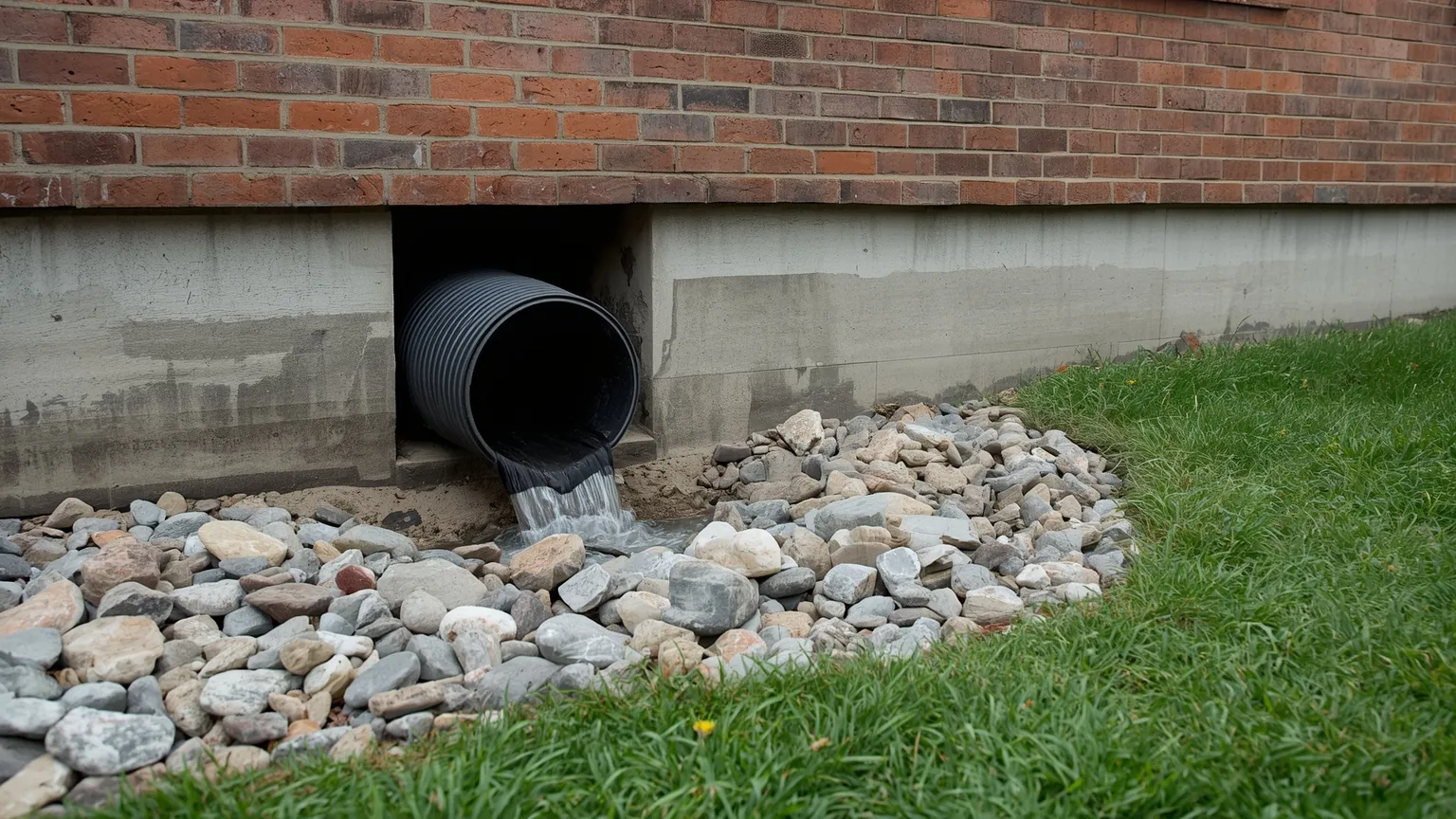
The principle is a low collection point and a route out. Where the site grade allows, a drain to daylight uses gravity and has nothing mechanical to fail, which makes it the more durable option wherever it is possible. Where the grade does not allow gravity discharge, a sump pump performs the same function mechanically.
- Graded low points. The crawl space floor directed to collect water where you want it rather than where it happens to pool.
- Drain to daylight. Gravity discharge to a lower point on the property. No power, no moving parts, no service interval.
- Sump basin and pump. Used where gravity discharge is not available. Introduces a service life, a power dependency and a failure mode to plan for.
- Discharge routing. Where the water actually ends up. Discharging near the foundation returns it to the soil beside the house, which restarts the problem.
- Separation from other systems. Kept independent of gutter and foundation perimeter drains, as the code requires.
Why groundwater here is less predictable than people expect
In the Piedmont the rock weathers in place into saprolite, and water moves through that weathered material and through fracture networks rather than through a uniform layer.
The practical consequence is that two houses on the same street can behave quite differently, and that a neighbor's experience is weak evidence about your own. It is also why an evaluation that establishes where water is entering your crawl space specifically is worth more than a standard solution applied by default.
On doing this yourself
The above-ground work — extending downspouts, clearing gutters, improving the grade near the foundation — is genuinely accessible to a homeowner and frequently effective.
Interior drainage is not in the same category. It involves excavation inside a confined space beneath a structure, next to footings that are supporting the house, often near buried utilities. Trenching next to a footing without understanding its depth and bearing is a way to cause a structural problem while solving a water one. That part belongs with someone who does it routinely.
What the code requires of a drainage plan
R409.2.1 does not stop at the liner. It requires the crawl space floor to be graded so that it drains to one or more low spots, with a drain to daylight or a sump pump installed at each low spot — so a compliant closed crawl space in North Carolina has a plan for liquid water, not only for vapor.
The same section requires crawl space drains to be kept separate from roof gutter drain systems and foundation perimeter drains. That clause is worth checking on a written scope, because combining them is quicker to install and it routes roof water straight into the system meant to be carrying water away from under the house.
Crawl Space Drainage questions
Do I need interior drainage or just better gutters?
Often the gutters and grade, and it is worth establishing that before committing to interior work. Charlotte's clay-rich soils absorb water slowly, so surface water follows the grade to wherever it leads. If it leads to the foundation, correcting that outside is far cheaper. Interior drainage is the right answer when water enters at or below the footing after surface causes are ruled out.
What is a drain to daylight?
A gravity drain that carries water from the crawl space low point to a lower point on the property where it discharges at the surface. Where the site grade allows it, it is the more robust choice, because it has no pump to fail, no power requirement and no service interval. North Carolina's code names it alongside a sump pump as an acceptable way to handle the low spots it requires.
Can crawl space drainage be tied into my gutter downspouts?
North Carolina Residential Code R409.2.1 requires crawl space drains to be kept separate from roof gutter drain systems and foundation perimeter drains. The practical reason is that a heavy rain can pressurise a shared line and drive water back toward the crawl space, which defeats the purpose of the drain.
How much does crawl space drainage cost?
It depends on length of drainage installed, whether a sump and pump are needed or gravity discharge is available, access and clearance, and how far the discharge has to run. Any figure given before someone has seen the space and the site grade is a guess. What you can reasonably ask for is an itemized scope so you can see what is driving the number.
Will drainage alone dry out my crawl space?
It will remove liquid water, which is necessary but frequently not sufficient. Drainage does nothing about moisture evaporating from bare soil or about humid outside air condensing on cool surfaces. In this climate those are usually a substantial part of the problem, which is why drainage is normally the first step of a sequence rather than the whole answer.
How do I know if water is coming in from groundwater or from the surface?
Timing and location are the useful clues, and neither is conclusive without inspection. Water appearing during and immediately after rain, concentrated near a downspout or a low point of the grade, points toward surface water. Water present persistently, or rising from the floor rather than running in at the wall, points toward groundwater. An evaluation during or just after rain is considerably more informative than one in a dry week.
Related crawl space services
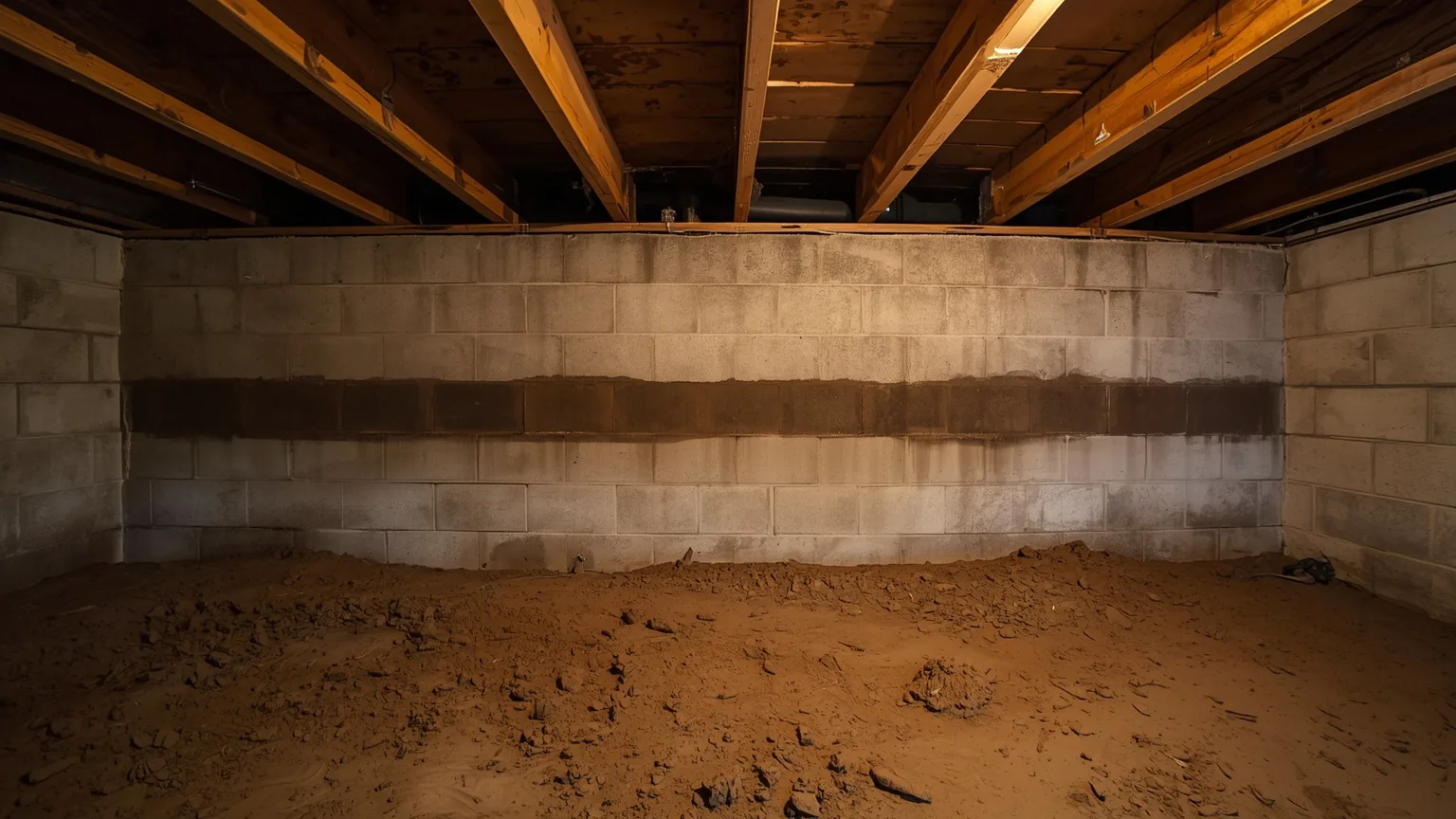
Crawl Space Waterproofing
Waterproofing deals with liquid water getting in. Encapsulation deals with vapor and humidity. They solve different problems, they are frequently sold together, and knowing which one you actually need is most of the decision.
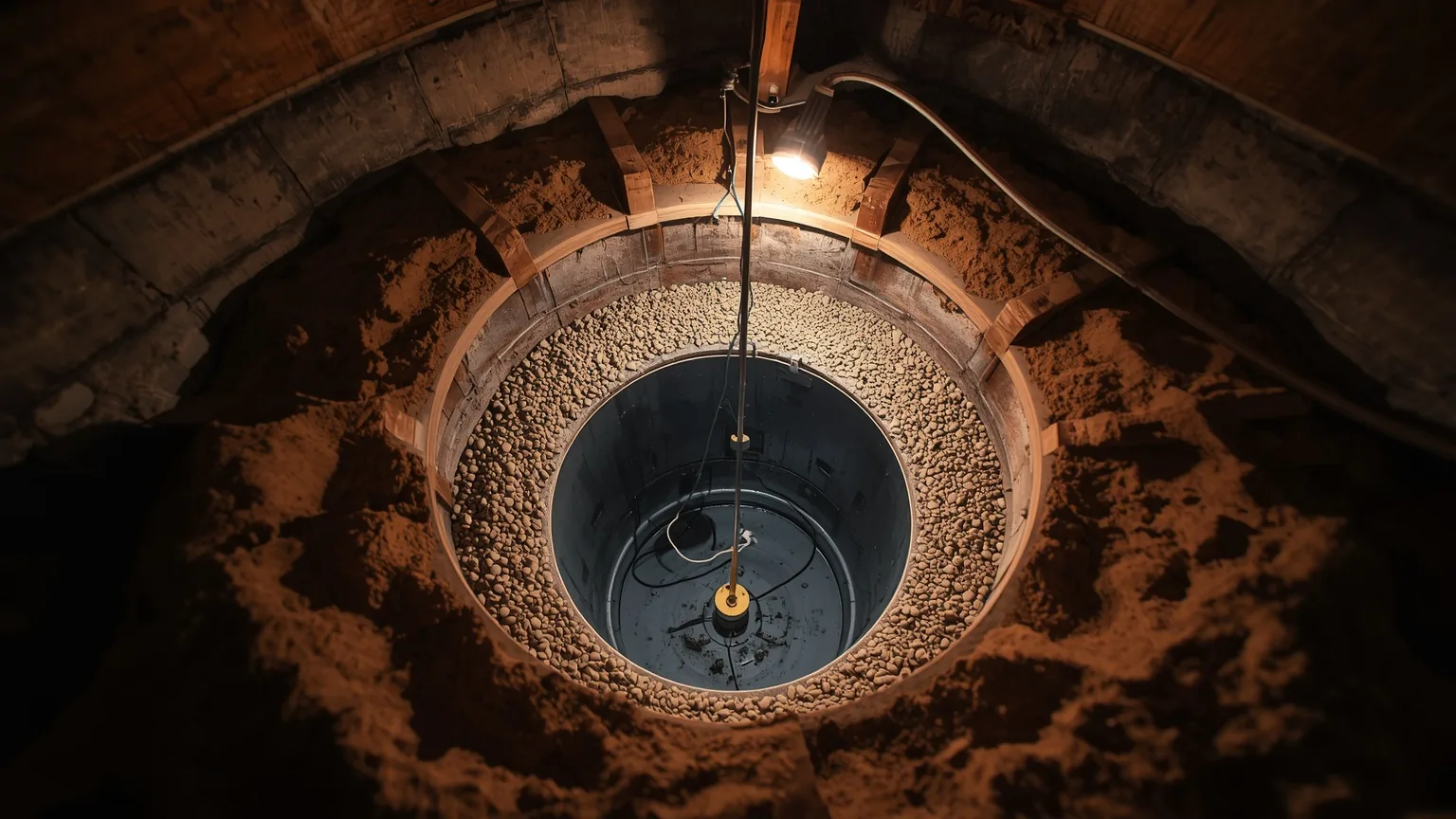
Crawl Space Sump Pump Installation
A sump pump collects water that has already arrived and moves it somewhere else. It is the right tool when gravity drainage is not available, and it introduces a mechanical dependency worth understanding before it is installed.
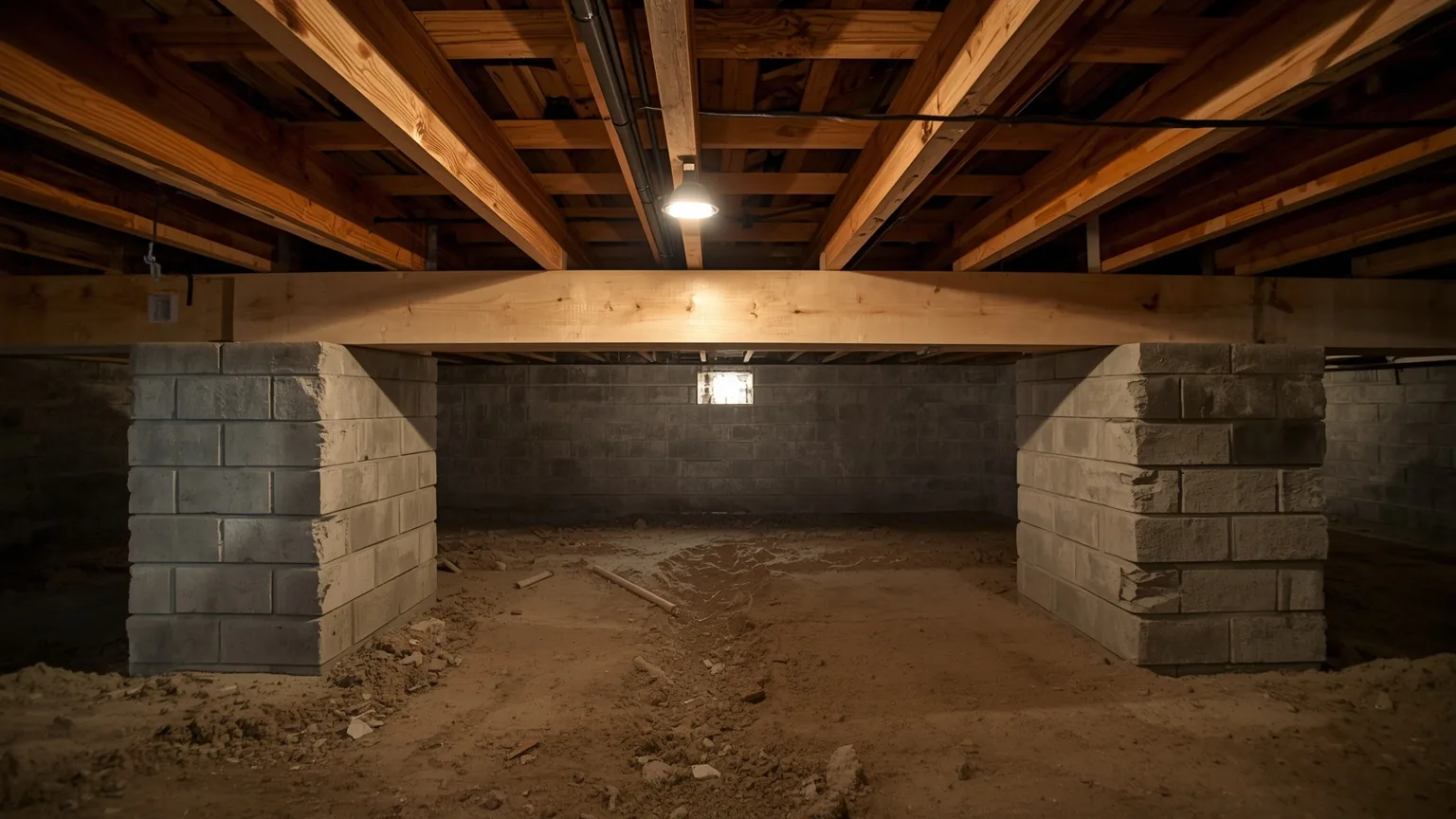
Crawl Space Repair
If something under the house has already gone wrong — water standing, insulation down, floors moving, a smell that will not clear — the useful first step is establishing what caused it, because the cause determines the repair.
Find out what is actually causing it.
Someone gets under the house, takes moisture readings, and writes the scope down before a price exists.